


Introduction
Work life balance is one of the most discussed topics in today’s professional world, yet it remains one of the hardest to achieve. With constant digital connectivity, competitive workplaces, and increasing personal responsibilities, many people find themselves struggling to keep up. The pressure to excel professionally while also maintaining a fulfilling personal life often leaves individuals overwhelmed, anxious, and exhausted.
This is where work life balance strategies come into play. They are not about achieving a perfect 50-50 split between work and personal life, but about creating harmony that allows you to succeed in your career while also enjoying health, relationships, and personal fulfillment.
In this in-depth guide, we’ll explore why work life balance matters, practical strategies to achieve it, challenges people face, benefits of balance, and future trends shaping the way we work. By the end, you’ll have a toolkit of proven strategies to help you thrive both at work and outside of it.
More Alternative Article for you!
Summarize How The Components Of Health Are Related To Wellness
Healthy Lifestyle Habits: A Complete Guide to Better Living
Daily Fitness Routine at Home for Better Health
Health and Wellness Jobs: Best Career Options 2025
3 Things to Do as an Advocate for Health and Wellness
Why Work Life Balance Matters

Productivity and Performance
Many people assume that working longer hours leads to greater success, but research consistently proves the opposite. Overwork reduces concentration, decision-making ability, and creativity. Balanced individuals, on the other hand, bring energy and clarity to their tasks, completing them more effectively in less time.
Physical and Mental Health
Without proper balance, stress levels rise. Chronic stress leads to problems like anxiety, depression, hypertension, heart disease, and insomnia. By creating routines that prioritize exercise, sleep, and mental health practices, individuals protect themselves against these health risks.
Relationships and Emotional Well-Being
Strong personal relationships provide emotional support and happiness. Neglecting them for professional demands often leads to loneliness, resentment, and disconnection. A balanced lifestyle ensures quality time with family, friends, and loved ones.
Long-Term Career Growth
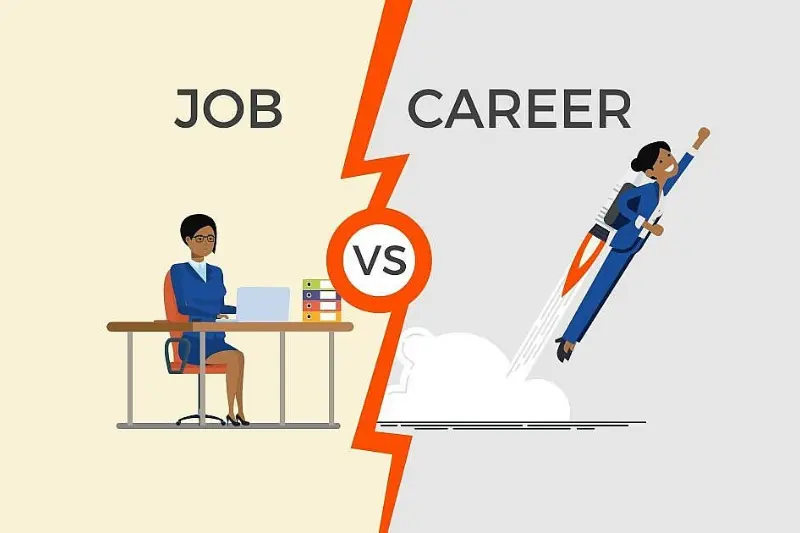
Workaholism may provide short-term recognition, but it’s not sustainable. Employees who burn out often experience career stagnation. Those with balance, however, can sustain productivity for years, contributing consistently to their fields.
Challenges to Achieving Work Life Balance
Workplace Culture
Some organizations glorify overwork, making employees feel guilty for taking time off or setting boundaries.
Technology Overload
Smartphones and laptops make it easy for work to intrude into personal time. Many professionals feel they must be available 24/7.
Financial Pressures
For many, the need to earn more pushes them into overtime or multiple jobs, leaving little room for personal life.
Personal Expectations
Ambitious individuals often set unrealistic standards for themselves, which adds to stress and imbalance.
More Alternative Article for you!
Beauty of Joseon Sunscreen Review: The K-Beauty Favorite
Anti-Aging Skincare Routine That Really Works in 2025
Grooming Tips for Men and Women: Look Sharp Daily
Kay Beauty Foundation: A Complete Guide
Core Work Life Balance Strategies
Set Clear Boundaries Between Work and Personal Life
Boundaries protect your personal time. Decide when work begins and ends, and communicate this to colleagues and family.
Turn off notifications after work hours.
Avoid working in the same space where you relax (if working remotely).
Create rituals to “end” the workday, like shutting down your laptop or taking a short walk.
Prioritize Health First
- Without health, work and personal goals crumble.
- Exercise regularly (even short walks matter).
- Get 7–8 hours of quality sleep.
- Practice mental wellness techniques like meditation, journaling, or deep breathing.
Master Time Management
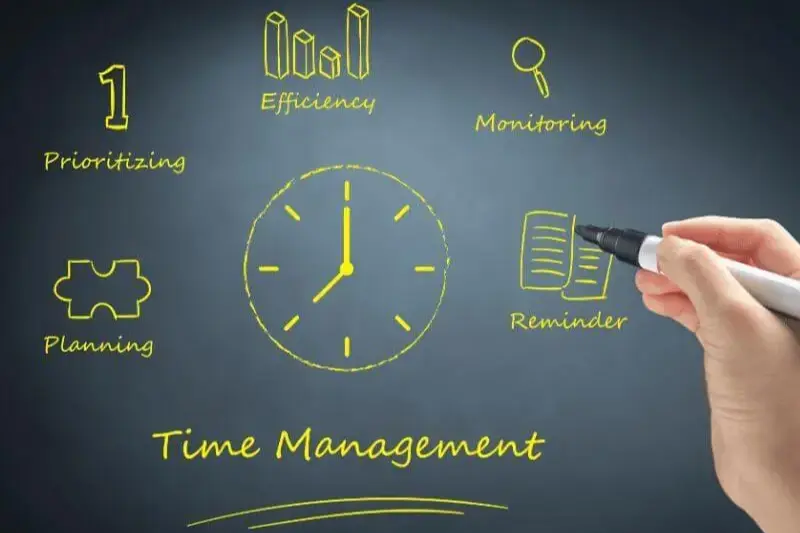
- Use techniques that maximize productivity while leaving time for rest.
- Pomodoro Method: Short bursts of work followed by breaks.
- Eisenhower Matrix: Focus on tasks that are both urgent and important.
- Time Blocking: Schedule time for both work and personal priorities
Learn to Say “No”
- Overcommitment leads to stress. Saying no is not selfish; it’s smart.
- Decline projects that don’t align with your goals.
- Avoid unnecessary meetings or tasks.
- Protect personal time by refusing extra obligations.
Embrace Flexibility
- Flexible work schedules and remote options provide space for family, exercise, and hobbies.
- Ask for adjusted work hours if your company allows.
- Use saved commuting time for wellness activities.
- Explore hybrid work if full-time office hours feel draining.
Practice Digital Detox
- Unplugging helps restore balance.
- Avoid screens before bed.
- Schedule “no device” family dinners.
- Use apps to block distractions during focus hours.
Delegate and Outsource
- Stop trying to do everything yourself.
- At work, share tasks with colleagues.
- At home, involve family in chores or use delivery services.
- Outsource time-consuming but low-value tasks when possible.
Pursue Hobbies and Passions
- Work is not life’s only purpose.
- Dedicate time to hobbies like reading, painting, cooking, or sports.
- Join community groups or classes for social engagement.
- Balance personal growth with professional development.
Communicate Openly
- Clear communication prevents misunderstandings.
- With managers: Express workload concerns.
- With family: Share schedules and set expectations.
- With colleagues: Be transparent about availability.
Stress-Relief Techniques
- Stress will always exist, but managing it makes balance possible.
- Use mindfulness apps.
- Try yoga or stretching during breaks.
- Practice gratitude journaling to shift focus to positives.
Take Breaks and Vacations
- Time off is essential for recovery.
- Plan annual vacations in advance.
- Use weekends for mini-breaks.
- Completely unplug from work while on vacation.
Seek Support
Professional help is valuable when stress feels overwhelming. Counselors, therapists, or career coaches can provide new perspectives.
Work Life Balance Across Different Groups
Students
- Use planners to schedule study, rest, and leisure.
- Avoid all-nighters; prioritize sleep.
- Maintain extracurriculars for well-rounded growth.
Professionals
- Manage tasks with digital productivity tools.
- Network strategically without overloading evenings.
- Use commute time effectively for learning or relaxation.
- Outsource repetitive tasks.
Entrepreneurs
- Avoid the 24/7 hustle mentality.
- Protect personal time with as much discipline as business meetings.
Parents
- Share parenting duties.
- Normalize boundaries with children (e.g., quiet work time).
- Prioritize quality family time.
Future Trends in Work Life Balance
Remote and Hybrid Work
More companies are offering flexible arrangements, giving employees autonomy over schedules.
Four-Day Work Week
Several countries are experimenting with reduced workdays to improve balance without sacrificing productivity.
Wellness-Centric Workplaces
Employers are increasingly providing mental health resources, wellness programs, and better leave policies.
Technology for Good
Instead of overwhelming, apps are being designed to help manage tasks, track wellness, and encourage mindfulness.
Benefits of Maintaining Work Life Balance
- Improved Focus and Efficiency – Shorter, focused hours often beat long, distracted ones.
- Stronger Relationships – More presence with loved ones strengthens bonds.
- Better Creativity – Downtime sparks fresh ideas.
- Healthier Lifestyle – Exercise, sleep, and diet thrive with better balance.
- Greater Job Satisfaction – Balanced employees are more engaged and motivated.
- Sustainability – Balance allows long-term career success without burnout.
Conclusion
Work life balance isn’t about perfection; it’s about creating harmony that sustains both personal and professional fulfillment. By setting boundaries, prioritizing health, mastering time management, unplugging from technology, and nurturing personal growth, you can achieve balance that enriches every aspect of your life.
The key is to recognize that balance looks different for everyone. What matters is designing a lifestyle that allows you to thrive in your career while also cherishing health, happiness, and relationships.
FAQs on Work Life Balance Strategies
What are the best work life balance strategies?
Setting boundaries, prioritizing health, and practicing effective time management are among the top strategies.
Can work life balance improve mental health?
Yes, balance reduces stress, anxiety, and burnout, leading to better emotional well-being.
How does technology affect work life balance?
While it enables flexibility, constant connectivity can blur boundaries. Controlled use helps.
What role do hobbies play in balance?
Hobbies bring relaxation, joy, and creativity, making life more fulfilling beyond work.
Is perfect balance achievable?
Perfect balance is rare; focus instead on creating harmony that works for your lifestyle.
Can balance improve productivity?
Absolutely. Balanced employees are more focused and efficient, completing tasks faster.
How can parents achieve balance?
Sharing childcare duties, using flexible schedules, and prioritizing quality family time help.
What happens if balance is ignored?
Chronic stress, burnout, health issues, and strained relationships are common consequences.
Should I feel guilty about saying no at work?
Not at all. Saying no protects your priorities and ensures quality over quantity.
Are flexible schedules effective?
Yes, flexible work allows people to align work demands with personal rhythms.
How can students maintain balance?
By using planners, avoiding cramming, and engaging in both academics and extracurriculars.
Does work life balance affect career growth?
Yes. Balance prevents burnout and ensures consistent long-term performance.
How often should I take vacations?
At least once a year, with smaller breaks throughout, to recharge and refresh.
What if my workplace discourages balance?
Communicate your needs and, if necessary, consider organizations with healthier cultures.
Can work life balance reduce burnout?
Yes. By setting limits and managing energy, balance prevents exhaustion and disengagement.
More Alternative Article for you!
Women’s Health After Pregnancy: Diet, Fitness & Mental Care
Stress Relief Tips at Home Guide for Daily Calm
