

Introduction
Stress has become an unavoidable part of modern life. From work deadlines to family responsibilities, financial worries to health concerns, everyone faces situations that cause mental or emotional tension. While a little stress can motivate us, chronic stress can harm our health, relationships, and overall quality of life. The good news is that managing stress doesn’t always require expensive therapy sessions or retreats—there are countless effective stress relief tips at home that can help you feel calmer, healthier, and more balanced.
This guide explores simple, natural, and practical ways to reduce stress right from the comfort of your home.
Understanding Stress
Stress is the body’s natural response to pressure or danger. When you feel threatened, your body releases hormones like cortisol and adrenaline that prepare you to fight or flee. While this response is useful in emergencies, prolonged activation leads to problems such as fatigue, anxiety, sleep disturbances, weakened immunity, and even heart disease.
Common Causes of Stress
- Workload and career pressure
- Academic challenges
- Financial worries
- Relationship conflicts
- Health issues
- Social expectations
- Lack of rest or leisure time
Symptoms of Stress
- Headaches and muscle tension
- Irritability and mood swings
- Insomnia or restless sleep
- Poor concentration
- Fatigue
- Digestive issues
- Increased heart rate or blood pressure
Recognizing these symptoms early helps in applying effective stress relief techniques at home.

Benefits of Stress Relief at Home
Managing stress from home has unique advantages:
Convenience: No need to travel or spend money.
Consistency: Easier to build daily habits.
Comfort: Home is your safe space for relaxation.
Customization: You can choose what works best for you—whether it’s yoga, music, or tea.
By integrating stress relief into your home environment, you create a sanctuary of peace and healing.
More Alternative Article for you!
Work Life Balance Strategies: Achieve Success & Wellness
Simple Self-Care Tips Daily: Healthier Lifestyle Guide
Top Parenting Tips for New Parents to Follow Daily
Best Morning Routine for Success in Daily Life
Top Stress Relief Tips at Home
- Practice Deep Breathing Exercises
Deep breathing calms the nervous system, reduces blood pressure, and instantly lowers stress. Try the 4-7-8 method:
Inhale through your nose for 4 seconds.
Hold your breath for 7 seconds.
Exhale slowly through your mouth for 8 seconds.
Repeat this cycle 4–5 times whenever you feel anxious.
- Meditation and Mindfulness
Meditation helps train the mind to focus on the present, reducing overthinking and anxiety. Even 10 minutes of mindfulness meditation each day can significantly reduce stress levels. Apps and guided videos make it easier for beginners.
- Yoga and Stretching
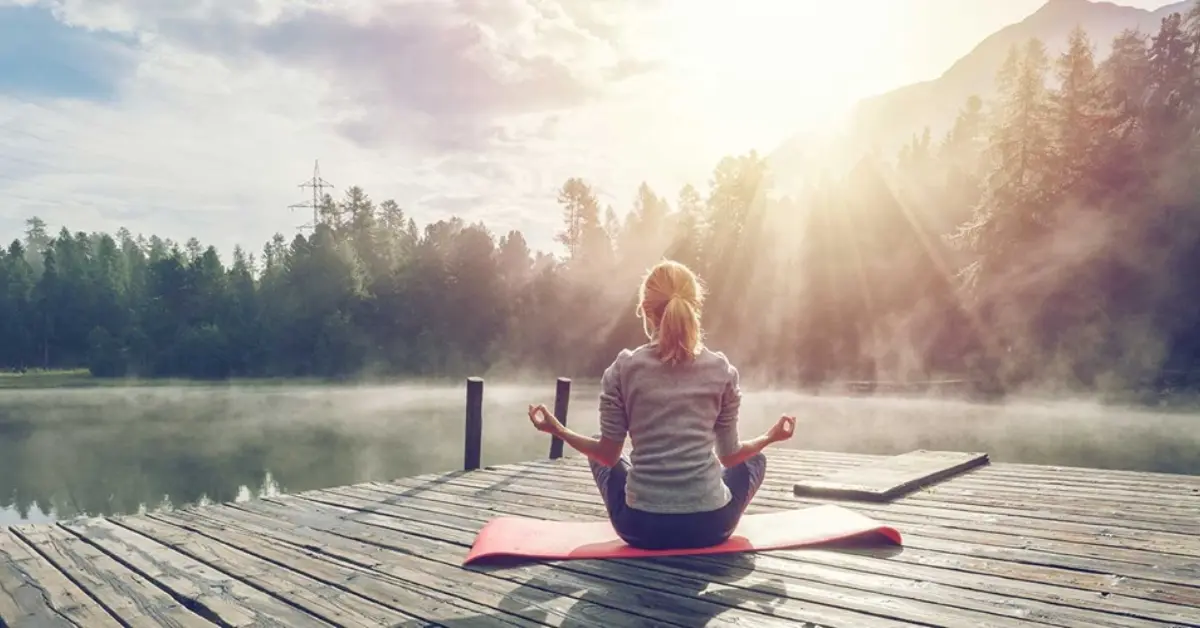
Yoga combines movement, breathing, and mindfulness, making it one of the best stress relief tips at home. Certain poses like Child’s Pose, Legs Up the Wall, and Corpse Pose are excellent for calming the mind.
Stretching also relieves tension from sitting long hours at work, improving both body and mood.
- Aromatherapy
Essential oils like lavender, chamomile, and eucalyptus have calming properties. Use them in diffusers, add them to a warm bath, or apply diluted versions on pulse points. Aromatherapy can reduce stress, promote relaxation, and even improve sleep.
- Music Therapy
Listening to soothing music, nature sounds, or even your favorite songs can dramatically change your mood. Soft instrumental music helps lower heart rate and cortisol levels. For extra calmness, create a personalized relaxation playlist.
- Journaling
Writing down your thoughts helps release bottled-up emotions. Journaling can:
Reduce anxiety by clearing mental clutter.
Help you identify triggers.
Promote gratitude when you list positive experiences daily.
All you need is a notebook and pen to start this therapeutic habit.
- Engage in Creative Hobbies
Painting, cooking, gardening, or crafting allows self-expression and relaxation. Creative activities shift focus from stress to enjoyment, providing both mental and emotional relief.
- Herbal Teas and Stress-Relief Nutrition
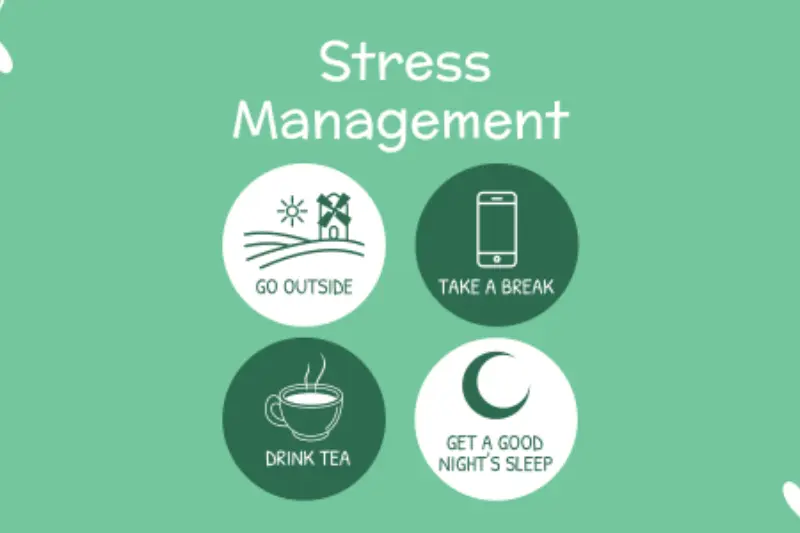
Teas like chamomile, peppermint, or green tea help calm the nerves. Alongside, a balanced diet with omega-3 fatty acids, whole grains, fruits, and vegetables boosts resilience to stress. Avoid excess caffeine and sugar, as they may worsen anxiety.
- Digital Detox
Constant notifications and social media can increase stress levels. Taking a break from screens—even for an hour before bedtime—helps clear the mind and improves sleep quality.
- Improve Sleep Hygiene
Sleep and stress are interconnected. Poor sleep leads to higher stress, and stress disrupts sleep. Establishing a routine helps:
Go to bed at the same time daily.
Keep your room dark and cool.
Avoid screens before bed.
Try relaxation techniques like reading or meditation.
Stress Relief for Different Groups
Students
Manage time effectively.
Take short breaks between studies.
Avoid overloading with social media distractions.
Working Professionals
Prioritize tasks using to-do lists.
Practice desk stretches.
Step away from your screen during breaks.
Homemakers
Set boundaries for self-care.
Delegate tasks when possible.
Engage in hobbies to avoid monotony.
More Alternative Article for you!
Women’s Health After Pregnancy: Diet, Fitness & Mental Care
Stress Relief Tips at Home Guide for Daily Calm
Family Nutrition Guide: Easy Diet Plan for All Ages
Best Elderly Care Tips Every Family Should Know
Lifestyle Changes for Long-Term Stress Management
Exercise regularly: Walking, cycling, or home workouts improve mood.
Stay connected: Talking to friends or family provides emotional support.
Practice gratitude: Focusing on positives reduces stress perception.
Stay hydrated: Dehydration increases cortisol.
Limit alcohol and smoking: They give temporary relief but worsen stress long-term.
Common Mistakes People Make in Stress Relief
Ignoring physical symptoms like fatigue or headaches.
Over-relying on junk food or alcohol as comfort.
Trying too many remedies at once without consistency.
Believing stress will go away on its own.
Consistency and patience are key to seeing real results.
Conclusion
Stress is inevitable, but suffering from it is not. By applying these stress relief tips at home, you can create a lifestyle that prioritizes calmness, balance, and well-being. Whether through yoga, journaling, or simply enjoying a cup of herbal tea, small daily practices can have a powerful impact on mental and emotional health.
Remember: managing stress isn’t about avoiding challenges—it’s about building resilience to handle them better.
FAQs on Stress Relief at Home
What is the fastest way to relieve stress at home?
Deep breathing exercises and mindfulness meditation can provide immediate relief.
How can I relieve stress before sleeping?
Avoid screens, drink herbal tea, and try gentle yoga or reading to relax before bed.
Can diet affect stress levels?
Yes. Foods rich in omega-3, magnesium, and antioxidants reduce stress, while sugar and caffeine can increase it.
How long does it take for stress relief techniques to work?
Some, like deep breathing, work instantly. Others, like yoga or journaling, show results with consistent practice.
Can music really help with stress?
Yes. Listening to calming or favorite music lowers cortisol and promotes relaxation.
Are natural remedies effective for stress relief?
Yes. Herbal teas, aromatherapy, and lifestyle changes can naturally reduce stress without side effects.
How can students relieve stress at home?
Time management, relaxation breaks, and limiting screen time help students balance study pressure.
Is it possible to manage work stress from home?
Yes. Setting boundaries, taking scheduled breaks, and practicing mindfulness help professionals.
How does exercise reduce stress?
Exercise releases endorphins—“happy hormones”—that naturally combat stress.
What is the most important tip for stress relief at home?
Consistency—practicing relaxation techniques daily is more effective than occasional efforts.
More Alternative Article for you!
Summarize How The Components Of Health Are Related To Wellness
Healthy Lifestyle Habits: A Complete Guide to Better Living
