

Introduction
In today’s fast-paced world, people are constantly juggling work, relationships, financial challenges, and social responsibilities. This hectic lifestyle often leads to stress, anxiety, and a range of health issues. Amidst this chaos, meditation has emerged as a powerful practice that promotes mental clarity, emotional balance, and physical well-being.
Far from being just a spiritual exercise, meditation is now recognized by science as a practical health tool. In fact, researchers have found that even a few minutes of daily meditation can lead to measurable improvements in both mental and physical health. This article explores the benefits of meditation for health, covering its impact on the mind, body, and spirit, along with practical tips for beginners.
What is Meditation?
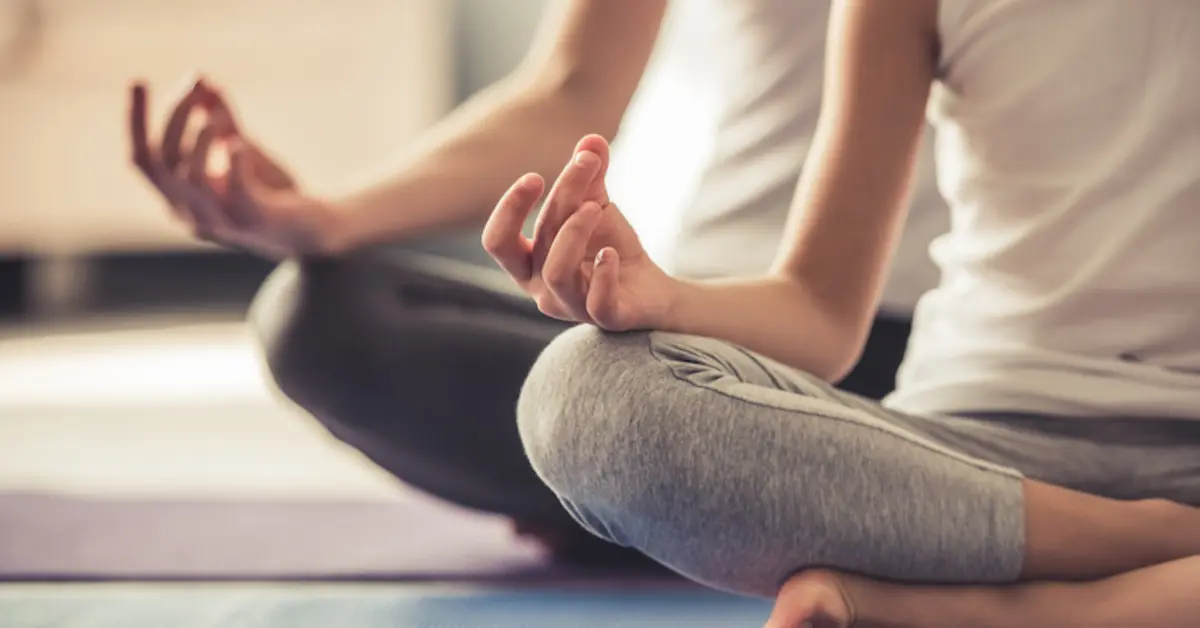
Meditation is a practice that involves training the mind to focus, calm down, and develop awareness. While methods vary, the central idea is the same: being fully present in the moment.
Key Principles of Meditation:
- Awareness: Observing thoughts without judgment.
- Focus: Concentrating on the breath, mantra, or an object.
- Calmness: Allowing the mind to settle and relax.
- Non-attachment: Letting go of distractions and stressors.
Meditation is not about controlling thoughts but learning to observe them, creating mental space and clarity.
More Alternative Article for you!
Summarize How The Components Of Health Are Related To Wellness
Healthy Lifestyle Habits: A Complete Guide to Better Living
Daily Fitness Routine at Home for Better Health
Health and Wellness Jobs: Best Career Options 2025
Types of Meditation
There are many forms of meditation, each with unique benefits:
Mindfulness Meditation – Focuses on being present and observing thoughts and sensations.
Transcendental Meditation – Involves repeating a mantra to reach a deep state of relaxation.
Loving-Kindness Meditation – Cultivates compassion and positive emotions toward oneself and others.
Guided Meditation – Involves listening to a teacher or audio guide to direct your focus.
Body Scan Meditation – Focuses on each body part to release tension.
Zen Meditation (Zazen) – A traditional Buddhist practice emphasizing sitting in stillness.
Movement Meditation – Combines movement like yoga, tai chi, or walking with mindfulness.
Benefits of Meditation for Mental Health

- Reduces Stress
One of the most well-known benefits of meditation for health is stress reduction. Studies show that meditation lowers cortisol (the stress hormone), helping people feel calmer and more in control.

- Improves Focus and Concentration
Meditation trains the brain to stay present. Research has shown that people who meditate regularly experience enhanced attention span, memory, and cognitive flexibility.

- Manages Anxiety and Depression
Meditation reduces negative thinking patterns that fuel anxiety and depression. Mindfulness techniques, in particular, help individuals respond to challenges more calmly.
- Promotes Emotional Balance
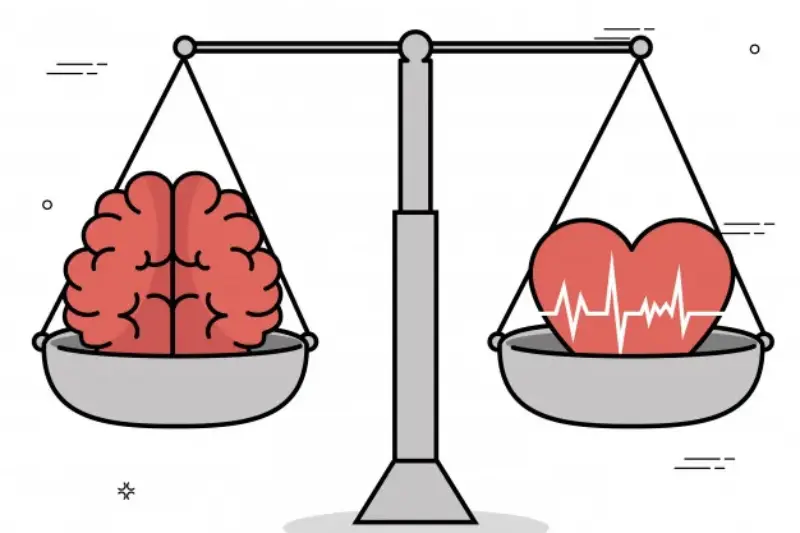
By practicing non-judgmental awareness, meditation helps regulate emotions. People become less reactive to stressors and more resilient in difficult situations.

- Enhances Creativity
Clearing the mind through meditation creates mental space for fresh ideas, boosting creativity and problem-solving abilities.
More Alternative Article for you!
Beauty of Joseon Sunscreen Review: The K-Beauty Favorite
Anti-Aging Skincare Routine That Really Works in 2025
Grooming Tips for Men and Women: Look Sharp Daily
Kay Beauty Foundation: A Complete Guide
Benefits of Meditation for Physical Health
- Improves Sleep Quality
Meditation activates the parasympathetic nervous system, which promotes relaxation and helps combat insomnia. Guided meditations before bed are especially effective.
- Lowers Blood Pressure
Studies show that regular meditation relaxes blood vessels, improves circulation, and reduces hypertension risk.
- Strengthens the Immune System
By reducing stress hormones, meditation improves the body’s immune response, making it easier to fight infections.
- Reduces Chronic Pain
Mindfulness meditation has been shown to alter pain perception, making discomfort more manageable for those with arthritis, migraines, or back pain.
- Supports Heart Health
Meditation lowers stress, improves blood pressure, and promotes healthier lifestyle habits—all of which reduce the risk of heart disease.
- Aids Digestion
Since stress often disrupts digestion, meditation’s calming effect helps regulate gut function, reducing problems like irritable bowel syndrome (IBS).

Benefits of Meditation for Spiritual Health
While meditation is not tied to any single religion, many people experience spiritual growth through practice. It helps individuals:
- Develop self-awareness and inner peace.
- Feel more connected to others and the universe.
- Cultivate compassion, kindness, and gratitude.
This spiritual dimension adds another layer of health benefits by fostering a sense of meaning and purpose in life.
The Science Behind Meditation and Health
Over the past few decades, scientific studies have confirmed the benefits of meditation:
A Harvard study found that mindfulness meditation increases gray matter density in the brain areas related to memory, learning, and emotion regulation.
Research published in JAMA Internal Medicine concluded that meditation programs improve anxiety, depression, and pain.
Neuroscientists have observed that meditation reduces activity in the “default mode network” of the brain, responsible for mind-wandering and rumination.
These findings prove that meditation is not just a belief—it is a scientifically supported practice with real health benefits.
Practical Tips to Start Meditation at Home
- Start Small: Begin with 5–10 minutes a day.
- Find a Quiet Space: Choose a spot free from distractions.
- Sit Comfortably: You don’t need to sit cross-legged; a chair works fine.
- Focus on Your Breath: Inhale deeply, exhale slowly.
- Use Apps or Guides: Tools like Headspace or Calm can help beginners.
- Be Consistent: Daily practice is more important than duration.
- Don’t Judge Your Thoughts: If your mind wanders, gently bring it back.
Common Mistakes Beginners Make
- Expecting instant results.
- Trying to eliminate all thoughts.
- Meditating only when stressed, instead of regularly.
- Ignoring posture and comfort.
- Giving up too soon.
- Patience and consistency are key—results build over time.
Conclusion
The benefits of meditation for health are vast, touching every aspect of life—mental, physical, and spiritual. From reducing stress and anxiety to improving sleep, heart health, and emotional balance, meditation is one of the most effective and accessible wellness tools available today.
It requires no equipment, can be done anywhere, and fits into any lifestyle. Whether you’re a student, professional, or retiree, meditation offers a pathway to greater calmness, resilience, and happiness. By making it part of your daily routine, you invest in your long-term health and well-being.
FAQs on Benefits of Meditation for Health
How long should I meditate daily for health benefits?
Even 10–15 minutes daily can produce noticeable results, though longer sessions may provide deeper benefits.
Can meditation replace medication for anxiety or depression?
Meditation helps manage symptoms but should complement, not replace, medical treatment unless advised by a doctor.
How soon will I notice the benefits of meditation?
Some benefits, like relaxation, are immediate. Long-term benefits like reduced anxiety and improved focus may take weeks or months.
Is meditation safe for everyone?
Yes, it’s safe for most people. However, those with severe mental health conditions should consult a professional.
Can children and teenagers practice meditation?
Absolutely. Meditation helps improve focus, emotional regulation, and stress management in younger individuals.
Do I need a teacher to start meditation?
Not necessarily. Apps, videos, and books can guide beginners, but a teacher can help with advanced practices.
Can meditation help with weight loss?
Indirectly, yes. By reducing stress eating and improving self-awareness, meditation can support healthier eating habits.
What is the best time to meditate?
Morning meditation sets a positive tone for the day, while evening meditation helps release stress. Both are effective.
Can meditation help with physical pain?
Yes. Mindfulness meditation alters pain perception and helps manage chronic conditions like arthritis or back pain.
Is meditation a religious practice?
Meditation has spiritual roots but is widely practiced in secular settings for health and wellness.
More Alternative Article for you!
Work Life Balance Strategies: Achieve Success & Wellness
Simple Self-Care Tips Daily: Healthier Lifestyle Guide
