

Introduction
Becoming a mother is one of life’s most transformative experiences, but it also brings significant changes to a woman’s body, mind, and overall health. After pregnancy, women need special care to recover, rebuild strength, and adapt to their new role. This period—often referred to as the postpartum stage—is as important as pregnancy itself because it sets the foundation for long-term health and well-being.
In this detailed guide, we will explore physical, mental, and emotional health aspects of women’s wellness after childbirth.
Understanding the Postpartum Period
The postpartum period begins right after childbirth and lasts for about six weeks, although recovery and adjustments can continue for months or even a year. During this time, women experience physical recovery, hormonal fluctuations, and new emotional responsibilities.
Postpartum health is not only about the mother’s recovery from delivery—it’s also about her nutrition, emotional balance, and lifestyle adjustments that ensure both her well-being and her ability to care for her baby.
Physical Health After Pregnancy
Recovery from Childbirth
- Vaginal delivery or cesarean section both require healing time.
- Vaginal births may involve stitches or soreness, while C-sections involve surgical recovery that can take longer.
- Rest, gentle walking, and avoiding heavy lifting are essential in the early weeks.
Hormonal Changes
- After delivery, estrogen and progesterone levels drop suddenly, which can affect mood, energy levels, and physical health.
- Women may experience hot flashes, night sweats, or hair loss as the body adjusts hormonally.
Weight Management
- Many women gain significant weight during pregnancy. Postpartum, the focus should not be rapid weight loss but gradual return to pre-pregnancy weight through balanced nutrition and moderate exercise.
- Breastfeeding can help burn extra calories, aiding natural weight reduction.
Pelvic Floor Recovery
- Pregnancy and childbirth can weaken pelvic floor muscles, leading to urinary incontinence.
- Kegel exercises strengthen the pelvic floor, improving bladder control and overall core stability.
Sleep Challenges
- New mothers often face disrupted sleep due to feeding schedules and infant care.
- Lack of rest can slow physical recovery and impact mental health. Napping when the baby sleeps and sharing caregiving duties can help. Nutrition for Women After Pregnancy
Good nutrition is vital for recovery and energy after childbirth.
- Balanced Meals: Focus on whole grains, lean proteins, fruits, vegetables, and healthy fats.
- Iron Intake: Prevents postpartum anemia, common after blood loss during childbirth. Sources include spinach, red meat, and legumes.
- Calcium & Vitamin D: Essential for bone health, especially for breastfeeding mothers.
- Hydration: Adequate water intake supports milk production and prevents fatigue.
- Avoid Crash Diets: Nutrient-dense foods are more important than calorie restriction.
Mental and Emotional Health After Pregnancy
Baby Blues
- About 70–80% of new mothers experience mood swings, irritability, or mild sadness in the first two weeks postpartum.
- These symptoms usually fade naturally with rest and support.
Postpartum Depression (PPD)
- Unlike baby blues, PPD is more severe and long-lasting. Symptoms include extreme sadness, withdrawal, and difficulty bonding with the baby.
- Professional help—therapy, medication, and support groups—can significantly aid recovery.
Anxiety and Stress
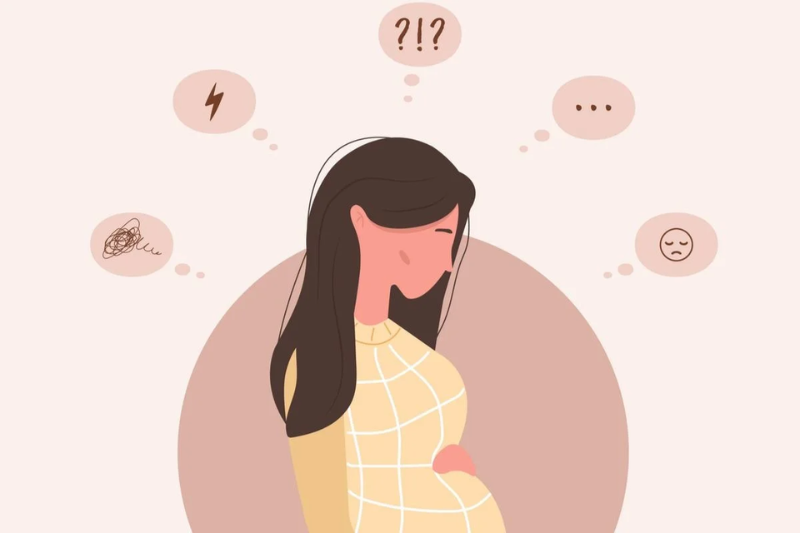
- New responsibilities, sleep deprivation, and concerns about parenting can increase stress and anxiety.
- Breathing exercises, meditation, and sharing responsibilities can reduce mental strain. Exercise and Fitness After Pregnancy
Physical activity helps restore strength, improves mood, and supports long-term health.
- Start Slowly: Gentle walks and stretching are ideal in the first few weeks.
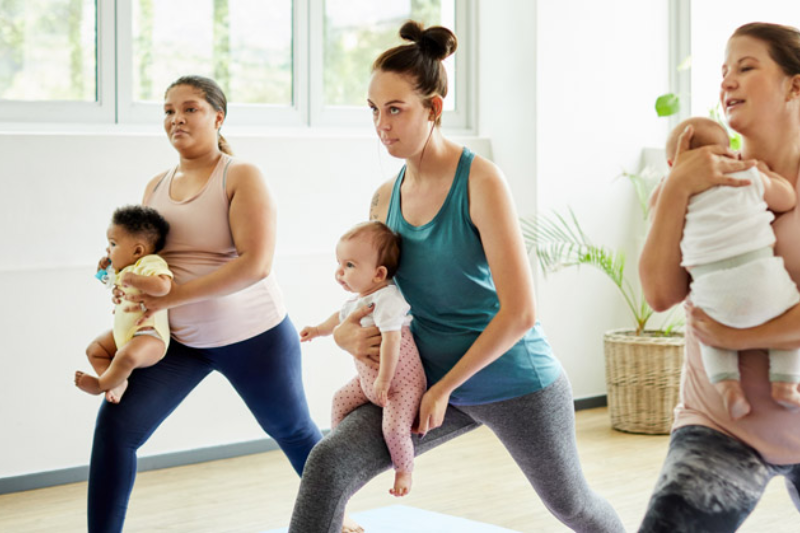
- Postpartum Workouts: Gradually introduce yoga, light strength training, or Pilates after medical clearance.
- Core Exercises: Focus on rebuilding abdominal strength, especially if diastasis recti (separation of abdominal muscles) occurred.
- Consistency Over Intensity: Regular, light workouts are more beneficial than intense routines.
Breastfeeding and Maternal Health
Breastfeeding not only benefits the baby but also impacts the mother’s health.
- Nutritional Demands: Nursing mothers need extra calories, protein, and hydration to support milk production.
- Bonding: Breastfeeding fosters emotional closeness and attachment between mother and child.
- Health Benefits: It lowers the mother’s risk of breast and ovarian cancers and supports faster uterine recovery.
- Challenges: Issues like sore nipples, mastitis, or low milk supply can occur. Support from lactation consultants can help. Sexual and Reproductive Health After Pregnancy
- Physical Recovery: Hormonal changes, fatigue, and vaginal dryness may affect intimacy. Open communication with partners is essential.
- Contraception: Fertility can return soon after childbirth—even while breastfeeding—so choosing a suitable contraceptive method is crucial.
- Medical Check-ups: Postpartum visits to a gynecologist help monitor healing, detect infections, and provide guidance on sexual health. Long-Term Health Considerations for Women
More Alternative Article for you!
Summarize How The Components Of Health Are Related To Wellness
Healthy Lifestyle Habits: A Complete Guide to Better Living
Daily Fitness Routine at Home for Better Health
Health and Wellness Jobs: Best Career Options 2025
3 Things to Do as an Advocate for Health and Wellness
Women’s postpartum health
Women’s postpartum health isn’t just about the first six weeks—it extends into long-term well-being.
Bone and Joint Health
- Pregnancy depletes calcium stores, making bone health important.
- Incorporating calcium-rich foods and light weight-bearing exercises helps strengthen bones.
Cardiovascular Health
- Some women develop gestational diabetes or hypertension during pregnancy. Monitoring heart health post-delivery is vital.
- Regular check-ups, balanced nutrition, and physical activity help prevent long-term risks.
Thyroid Issues
- Postpartum thyroiditis can cause fatigue, mood changes, and weight fluctuations. Blood tests and early detection make management easier.
Weight Maintenance
- Instead of focusing on rapid weight loss, mothers should adopt a sustainable lifestyle with exercise, portion control, and nutrient-dense meals. Lifestyle Adjustments for New Mothers
- Time Management
Balancing childcare, household tasks, and personal health is challenging. Creating routines and sharing responsibilities makes it manageable. - Support System
Emotional and physical support from partners, family, or friends significantly eases the postpartum journey. - Self-Care
Mothers often neglect their own needs. Simple self-care practices—like warm baths, hobbies, and rest—improve mental and physical health. - Work-Life Balance
Returning to work after maternity leave requires adjustments. Employers offering flexible hours and childcare support make a big difference. Building Emotional Resilience
- Community Support: Joining parenting groups helps mothers connect with others who share similar challenges.
- Mind-Body Practices: Yoga, mindfulness, and meditation enhance emotional resilience.
- Professional Help: Seeking therapy for postpartum depression or anxiety is not a sign of weakness but a step toward recovery. Conclusion
Conclusion
Women’s health after pregnancy is a journey that goes beyond recovery—it’s about building a healthy foundation for both mother and child. From physical healing and nutrition to emotional well-being and lifestyle adjustments, each aspect plays a crucial role. By focusing on balanced nutrition, gentle exercise, emotional support, and self-care, women can thrive in this new chapter of life.
Every woman’s postpartum experience is unique, and there is no “one-size-fits-all” plan. With patience, support, and awareness, new mothers can prioritize their health while embracing motherhood fully.
FAQs on Women’s Health After Pregnancy
Q1. How long does it take for the body to fully recover after pregnancy?
Recovery varies. Initial healing takes 6–8 weeks, but full recovery—including hormonal balance and fitness—can take months to a year.
Q2. What foods are best for women after pregnancy?
Iron-rich foods, calcium, protein, fruits, vegetables, and whole grains are essential for recovery and energy.
Q3. How soon can I exercise after childbirth?
Light walking and stretches can begin after a few days (if approved by a doctor). Strenuous workouts should wait until after the postpartum check-up.
Q4. Can women get pregnant while breastfeeding?
Yes. Breastfeeding may delay ovulation but is not a foolproof contraceptive. Discuss contraception options with a healthcare provider.
Q5. How do I cope with postpartum depression?
Seek medical advice, talk to loved ones, join support groups, and consider therapy or medication if recommended.
Q6. Is weight gain normal after pregnancy?
Yes, but gradual weight loss through healthy eating and activity helps achieve long-term balance. Crash diets should be avoided.
Q7. How can partners support women after pregnancy?
Partners can share childcare duties, provide emotional support, and encourage self-care, reducing stress for new mothers.
More Alternative Article for you!
Beauty of Joseon Sunscreen Review: The K-Beauty Favorite
Anti-Aging Skincare Routine That Really Works in 2025
Grooming Tips for Men and Women: Look Sharp Daily
