


Introduction
Caring for elderly family members is a responsibility rooted in love, respect, and gratitude. As life expectancy increases, families are more often involved in providing emotional, physical, and sometimes financial support to their aging loved ones. Elderly care is not just about meeting medical needs—it’s also about ensuring dignity, comfort, and quality of life. With the right knowledge and practical strategies, families can provide effective support while balancing their own lives.
This guide covers essential elderly care tips for families, from understanding health concerns to building emotional connections, managing routines, and creating a safe environment at home.
Understanding the Needs of Elderly Family Members
Every elderly person has unique needs, depending on age, health conditions, and lifestyle. Families should focus on three main areas:
- Physical health: Many seniors face conditions such as arthritis, diabetes, or heart problems. Regular check-ups and early detection are vital.
- Mental health: Depression, anxiety, and dementia are common among older adults. Encouraging cognitive activities and providing emotional support can help.
- Social health: Loneliness is one of the biggest challenges for elderly people. Interaction with family, friends, or community programs makes a big difference.
Taking time to understand these needs helps families provide more personalized care.
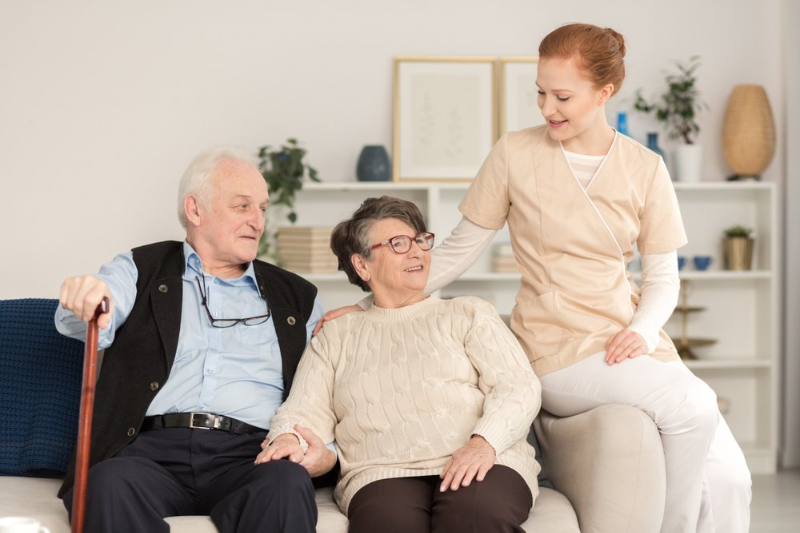
Creating a Safe Home Environment
Safety is one of the top priorities in elderly care. The home should be adapted to reduce the risk of accidents and falls.
Practical safety tips include:
- Remove loose rugs, clutter, and sharp-edged furniture.
- Install grab bars in bathrooms and handrails on stairs.
- Ensure good lighting in hallways and bedrooms.
- Place frequently used items within easy reach.
These small changes can drastically reduce risks and promote independence.
Managing Health and Medical Needs
Aging often comes with health challenges that require careful monitoring. Families should help seniors stay on track with their medical needs.
Tips for managing health:
- Keep a record of medications and ensure they are taken on time.
- Schedule regular doctor visits for blood pressure, cholesterol, and other screenings.
- Encourage physical activity suitable for their age—like walking, yoga, or light stretching.
- Monitor diet to ensure balanced nutrition rich in fiber, vitamins, and hydration.
Families can also use digital tools like medication reminders or health apps to simplify management.

More Alternative Article for you!
Summarize How The Components Of Health Are Related To Wellness
Healthy Lifestyle Habits: A Complete Guide to Better Living
Daily Fitness Routine at Home for Better Health
Health and Wellness Jobs: Best Career Options 2025
3 Things to Do as an Advocate for Health and Wellness
Building Emotional Connections
Elderly care goes beyond physical support. Emotional well-being is equally important. Many seniors feel isolated, especially if mobility is limited or friends have passed away.
Ways to strengthen emotional bonds include:
- Spending quality time—listening, sharing stories, or watching movies together.
- Encouraging hobbies like gardening, knitting, or music.
- Helping them stay socially active through community centers or religious groups.
- Practicing patience and empathy during conversations.
Supporting Daily Living Activities
When seniors feel loved and valued, their overall health and happiness improve.
Basic daily tasks may become difficult for elderly individuals. Families can assist with activities while promoting independence.
Examples include:
- Helping with bathing, grooming, and dressing.
- Preparing nutritious meals and ensuring proper hydration.
- Assisting with household chores like laundry or grocery shopping.
- Encouraging mobility without being overly controlling.
Balance is key: support them without making them feel helpless.
Financial Planning and Management
Elderly care can sometimes place a financial burden on families. Proactive planning reduces stress and ensures that seniors’ needs are met without overwhelming the household.
Key financial care tips:
- Budgeting for medical expenses: Account for prescriptions, regular check-ups, and emergency care.
- Insurance and retirement funds: Review health insurance policies and ensure retirement funds are being properly managed.
- Government and community benefits: Research senior citizen discounts, pensions, and government healthcare programs.
- Legal planning: Encourage seniors to prepare wills, power of attorney, and medical directives in advance.
A well-managed financial plan ensures stability for both seniors and their families.
Caregiver Support and Avoiding Burnout**
Caring for an elderly family member is rewarding but can also be exhausting. Family caregivers often juggle work, personal life, and caregiving responsibilities.
Ways to support caregivers:
- Share responsibilities among family members rather than leaving them to one person.
- Hire professional caregivers for part-time or respite care if needed.
- Encourage self-care: caregivers should get enough rest, exercise, and personal time.
- Join caregiver support groups—online or in person—for advice and encouragement.
A healthy, well-rested caregiver can provide better support for their loved one.
Using Community and Professional Resources
Families don’t have to manage elderly care alone. Many community services and professionals offer valuable support.
Resources to consider:
- Home healthcare services for medical support.
- Meal delivery programs for balanced nutrition.
- Senior activity centers for socialization.
- Therapists and counselors specializing in elderly mental health.
Seeking outside help is not a weakness—it’s a smart way to ensure holistic care.
Encouraging Independence and Dignity
Elderly individuals value independence, even when they require assistance. Families should focus on empowering them instead of making them feel dependent.
Strategies include:
- Let them make choices about their meals, clothes, or hobbies.
- Provide mobility aids like walkers or canes rather than doing everything for them.
- Involve them in family decisions to make them feel respected.
- Celebrate milestones—birthdays, anniversaries, and achievements—to boost morale.
When seniors feel respected and independent, their confidence and quality of life improve.
Technology for Elderly Care
Modern technology can make elderly care easier and safer. Families can adopt simple tools that promote independence and security.
Helpful technologies include:
- Medical alert devices to call for help in emergencies.
- Smart pill dispensers that remind seniors to take medication.
- Video calling apps to keep in touch with distant family.
- Home automation systems for lights, locks, and temperature control.
Tech should be introduced gradually and explained in simple terms to avoid confusion.
Preparing for Long-Term Care
Some seniors may eventually require long-term or specialized care. Preparing early can reduce stress later.
Steps for preparation:
- Research nursing homes or assisted living facilities in advance.
- Compare costs, quality of care, and location.
- Have open discussions with seniors about their preferences.
- Plan transitions gradually rather than waiting for emergencies.
Long-term care planning ensures continuity of comfort and dignity.
Conclusion
Frequently Asked Questions (FAQs)
Q1: What are the most important aspects of elderly care at home?
The key aspects are safety, health management, emotional support, and promoting independence.
Q2: How can families prevent elderly loneliness?
Encourage social activities, regular family interaction, and connections through technology or community programs.
Q3: What should families do if caregiving becomes overwhelming?
Seek professional caregivers, use community resources, and rotate responsibilities among family members.
Q4: How can elderly people stay active at home?
Encourage light exercises like walking, yoga, or chair stretches, and involve them in household activities.
Q5: Are there government programs for elderly support?
Yes, many regions provide pensions, medical benefits, and community services specifically for seniors.
Q6: How can technology help with elderly care?
From health monitoring apps to medical alert devices, technology ensures safety and helps families stay connected.
Q7: What role do grandchildren play in elderly care?
Grandchildren provide emotional comfort, companionship, and joy, which helps reduce loneliness and boosts mental health.
Elderly care is a journey of compassion, patience, and responsibility. By focusing on health, safety, emotional well-being, financial stability, and independence, families can provide meaningful support that enhances the lives of their elderly loved ones.
Caring for seniors is not just about extending their years—it’s about improving the quality of those years, ensuring they live with dignity, love, and respect.
More Alternative Article for you!
Beauty of Joseon Sunscreen Review: The K-Beauty Favorite
Anti-Aging Skincare Routine That Really Works in 2025
Grooming Tips for Men and Women: Look Sharp Daily
