


Introduction
Family nutrition and diet planning is one of the most powerful ways to ensure long-term health and wellness for every member of your household. From toddlers and school-age children to adults and seniors, what you put on the table shapes not only physical growth and immunity but also mental clarity, emotional stability, and quality of life.
In today’s fast-paced world, families often rely on quick meals, processed foods, or irregular eating habits. While convenient, these choices can harm health in the long run—leading to obesity, diabetes, hypertension, digestive issues, and even low energy levels. On the other hand, a thoughtful family nutrition and diet plan promotes balance, supports individual needs, and makes healthy living both achievable and enjoyable.
In this detailed guide, we’ll explore how to create a family nutrition and diet plan that works for every age group, discuss the building blocks of balanced nutrition, and provide practical tips to maintain consistency at home.
Why Family Nutrition Matters
Nutrition is more than just eating three meals a day—it’s about making food choices that deliver the right balance of nutrients to fuel daily activities and prevent illness. When families eat well together, they create a culture of health that influences habits for generations.
- Children: Proper nutrition ensures physical growth, brain development, and better academic performance.
- Adults: A balanced diet improves energy, productivity, and lowers the risk of chronic illnesses.
- Seniors: Nutritious meals help maintain muscle strength, bone density, and immunity in old age.
Family meals also encourage bonding. Sitting together for breakfast or dinner allows parents to model healthy habits, limit screen time during meals, and create lasting traditions that promote both wellness and togetherness.
Core Principles of a Family Diet Plan
Before tailoring meals to specific ages, let’s establish the foundation of a healthy diet plan for the whole family:
Balance of Macronutrients
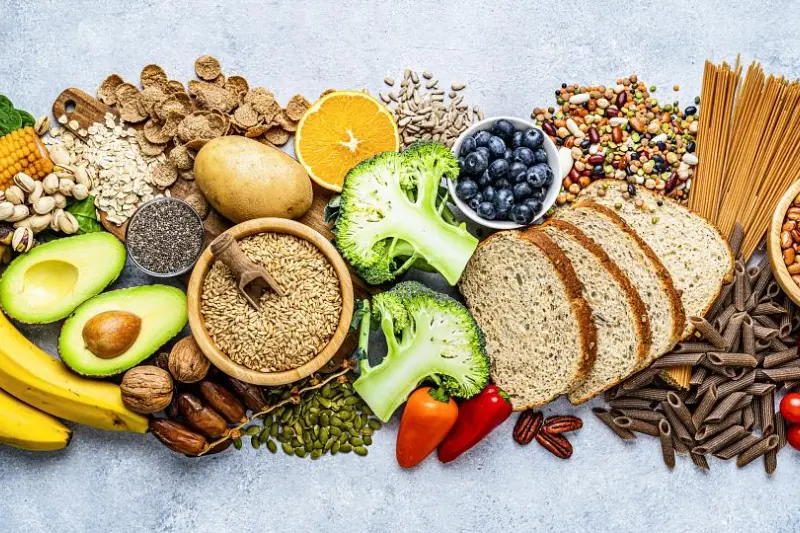
- Carbohydrates: Choose whole grains like oats, brown rice, and quinoa instead of refined carbs.
- Proteins: Lean meats, legumes, nuts, dairy, and eggs provide essential amino acids.
- Fats: Prioritize healthy fats like avocado, olive oil, and fatty fish over trans fats.
Variety and Color
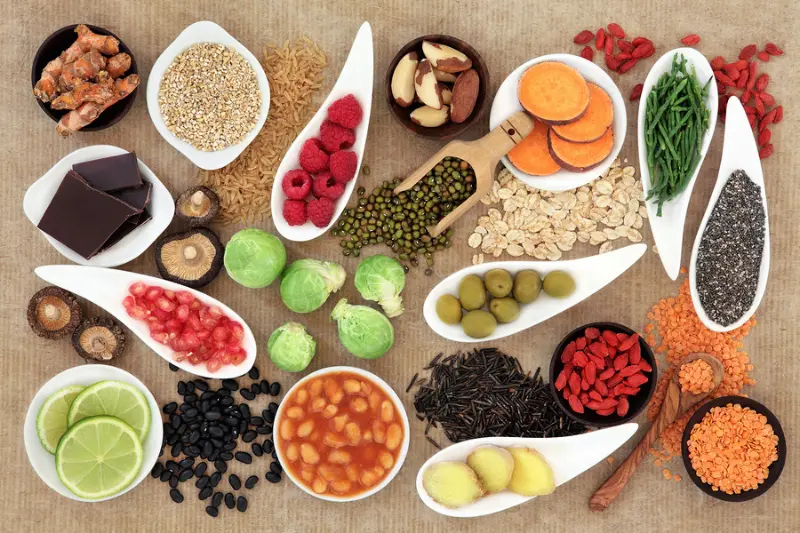
Eating a rainbow of fruits and vegetables ensures your family gets a wide range of vitamins, minerals, and antioxidants. Different colors often indicate different nutrients—orange carrots for beta-carotene, leafy greens for iron, and berries for antioxidants.
Portion Control
Overeating—even healthy food—can lead to weight gain. Serving appropriate portions keeps energy balanced and prevents digestive strain. Use the “plate method”—half vegetables, a quarter lean protein, and a quarter whole grains.
Hydration
Water should be the primary beverage at home. Sugary drinks and sodas should be limited. Encourage children to drink water instead of juices, and adults to reduce caffeine dependency.
Consistency
Regular meal timings stabilize metabolism, keep energy levels steady, and reduce unnecessary snacking. Families who eat meals together at consistent times are more likely to build lasting habits.

Limit Processed Foods
Minimize packaged snacks, instant meals, and processed meats. These are often high in sodium, added sugars, and unhealthy fats. Instead, opt for home-cooked meals where you control ingredients.
Mindful Eating
Encourage family members to eat slowly, chew properly, and avoid distractions like phones or TV at the dining table. This improves digestion and helps recognize satiety signals, preventing overeating.
Smart Snacking
Snacks should be nutrient-dense rather than empty calories. Keep fruits, nuts, yogurt, and whole-grain crackers accessible at home, so kids and adults naturally reach for better options.
Meal Planning and Preparation
Families benefit from planning meals in advance. Weekly meal prep reduces stress, saves time, and ensures healthier choices even on busy days.
Cultural and Personal Preferences
A family diet plan should be practical and enjoyable. Including cultural foods, favorite meals in healthier versions, and respecting dietary restrictions (vegetarian, gluten-free, etc.) makes it sustainable.
Budget-Friendly Choices
Healthy eating does not need to be expensive. Seasonal fruits, local produce, lentils, and whole grains are affordable and nutritious options that fit into most family budgets.
Flexibility and Moderation
No diet should feel restrictive. Allow occasional indulgences such as weekend treats or family outings. The key is moderation, so children learn balance rather than extremes

Nutrition for Children
Children have unique dietary needs because their bodies and brains are still developing. A strong start in nutrition supports not only their physical growth but also their emotional and mental well-being.
Key Nutritional Needs
- Protein: For muscle and tissue development (milk, eggs, lentils, chicken).
- Calcium and Vitamin D: Essential for bone growth (dairy, fortified cereals, leafy greens).
- Iron: Prevents anemia and supports cognitive function (beans, fish, red meat, spinach).
- Fiber: Helps in digestion and prevents constipation (fruits, whole grains, vegetables).
Practical Tips for Parents
- Encourage breakfast daily—studies show it improves concentration in school.
- Pack balanced lunchboxes with whole grain sandwiches, fruits, and yogurt instead of chips or sugary snacks.
- Involve kids in meal prep to make them more interested in healthy foods.
- Limit junk food by making healthier homemade versions (baked fries, smoothies).

Nutrition for Teenagers
Teenagers undergo rapid physical and hormonal changes, which means they need nutrient-dense meals. Unfortunately, many teens lean toward junk food, sodas, and fast food, which can harm long-term health.
Nutritional Priorities
- Protein: Supports muscle growth during puberty.
- Calcium: Builds peak bone mass for adulthood.
- Iron: Especially important for teenage girls to prevent iron deficiency.
- Omega-3 fatty acids: Support brain health and focus.
Tips for Parents and Teens
- Keep healthy snacks available at home (nuts, fruits, smoothies).
- Encourage regular physical activity paired with nutrition.
- Educate about portion sizes and mindful eating to avoid overeating.
- Allow flexibility—occasional indulgences are fine but should not replace healthy meals.

Nutrition for Adults
Adults juggle work, household responsibilities, and sometimes parenthood, making them prone to stress and unhealthy eating patterns. A diet plan for adults should focus on maintaining energy, preventing disease, and balancing lifestyle.
Key Nutritional Needs
- Lean Proteins: To maintain muscle mass (poultry, beans, fish).
- Complex Carbohydrates: Steady energy from oats, barley, and quinoa.
- Healthy Fats: Heart-healthy fats from nuts and olive oil.
- Micronutrients: Sufficient intake of vitamin B12, magnesium, and potassium.
Lifestyle Tips
- Plan meals ahead to avoid last-minute unhealthy choices.
- Control portions—use smaller plates and avoid late-night heavy meals.
- Stay hydrated throughout the day.
- Incorporate stress-relieving foods like green tea, dark chocolate, and fresh fruits.

Nutrition for Seniors
As people age, metabolism slows, and nutritional absorption may decrease. A senior-friendly diet should emphasize nutrient density over calories.
Key Nutritional Needs
- Protein: To prevent muscle loss and weakness.
- Calcium and Vitamin D: To maintain bone strength and reduce fracture risks.
- Fiber: Supports digestion and prevents constipation.
- Antioxidants: Fight age-related inflammation (berries, green tea, leafy greens).
Practical Tips
- Opt for smaller, frequent meals instead of three heavy meals.
- Choose foods that are easy to chew and digest.
- Include soups, stews, and smoothies to add variety.
- Limit sodium intake to support heart health.
Family Meal Planning Tips
Creating a family-friendly nutrition plan goes beyond just knowing what to eat. It requires practical strategies for implementation:
Involve the Whole Family
Invite children and adults to help plan weekly meals. Let kids choose a vegetable or fruit for dinner. When family members feel included, they are more motivated to eat healthier.
Batch Cooking and Prepping
Preparing meals in bulk saves time and ensures you always have healthy options. Cook grains, legumes, and proteins in advance and store them in portioned containers.
Healthy Substitutions
- Replace white bread with whole-grain bread.
- Use baked alternatives instead of fried snacks.
- Replace sugary desserts with fresh fruits or yogurt parfaits.
Family-Friendly Recipes
Keep recipes simple but nutrient-dense. Meals like vegetable stir-fry with brown rice, lentil soups, grilled fish with roasted vegetables, or whole-wheat pasta with lean protein work well for all ages.
Meal Timing
Encourage 3 balanced meals and 2 light snacks daily. This rhythm maintains energy levels and prevents overeating.
Addressing Nutritional Challenges in Families
Despite the best intentions, families often face obstacles when trying to maintain a healthy diet. Here’s how to handle them:
Picky Eaters (Mostly Kids): Introduce new foods slowly and in fun forms—like spinach in smoothies or grated veggies in pasta sauces.
Busy Schedules: Rely on quick, healthy staples—like boiled eggs, whole-grain wraps, and overnight oats.
Budget Constraints: Buy seasonal produce, cook at home, and reduce reliance on packaged snacks.
Conflicting Preferences: Create versatile meals (like grain bowls or wraps) where each person can customize toppings.
Family Nutrition for Special Needs
Every family may include members with specific nutritional needs:
- For Children: Higher need for calcium, vitamin D, and iron for growth.
- For Teens: Protein and complex carbs to support energy and brain development.
- For Adults: Balanced macronutrients to sustain energy and manage stress.
- For Seniors: Soft-textured foods rich in calcium, vitamin B12, and fiber for digestion.
- For Expecting Mothers: Extra iron, folic acid, and omega-3s for fetal development.
By being mindful of these requirements, families can prevent nutrient gaps.
Long-Term Benefits of a Family Diet Plan
Committing to a healthy family nutrition plan is not just about the present—it pays dividends in the long run:
- Disease Prevention
Lower risks of obesity, type 2 diabetes, cardiovascular diseases, and certain cancers. - Improved Academic and Work Performance
Proper nutrition improves concentration, focus, and energy levels in children and adults alike. - Emotional Wellness
Nutritious meals can regulate mood and reduce stress. Families eating together also bond emotionally, strengthening relationships. - Financial Savings
Reducing reliance on fast food and processed meals cuts long-term healthcare costs.
Practical Daily Diet Plan Example
Here’s a sample daily plan for an average family:
Breakfast: Oatmeal with fruits, nuts, and a glass of milk.
Mid-Morning Snack: Apple slices with peanut butter.
Lunch: Brown rice, grilled chicken/legumes, sautéed veggies, and salad.
Afternoon Snack: Yogurt with flax seeds or trail mix.
Dinner: Whole-wheat chapati or quinoa with lentil curry, stir-fried vegetables, and soup.
Optional Treat: A small piece of dark chocolate or homemade fruit dessert.
More Alternative Article for you!
Summarize How The Components Of Health Are Related To Wellness
Healthy Lifestyle Habits: A Complete Guide to Better Living
Daily Fitness Routine at Home for Better Health
Health and Wellness Jobs: Best Career Options 2025
Conclusion
A family nutrition and diet plan is not about strict rules but about building habits that last a lifetime. By focusing on balance, variety, portion control, and mindful eating, families can enjoy meals together that support long-term health and wellness. The key is flexibility—allowing room for cultural preferences, occasional treats, and busy schedules while keeping nutrition at the core. Healthy eating at home not only nourishes the body but also strengthens family bonds, fosters better communication, and builds a foundation of wellness for future generations.
FAQs on Family Nutrition and Diet Plans
Q1. What is the best diet plan for the whole family?
A balanced diet with whole grains, lean proteins, fruits, vegetables, and healthy fats works best for all family members.
Q2. How can I get kids to eat vegetables?
Introduce them gradually, make fun shapes, mix them into familiar foods, and model the behavior by eating veggies yourself.
Q3. Is it expensive to maintain a family diet plan?
Not necessarily. Using seasonal produce, bulk cooking, and home-prepared meals can reduce costs significantly.
Q4. How important is hydration in a family diet?
Very important. Encourage everyone to drink water throughout the day instead of sodas or energy drinks.
Q5. Should every family member follow the same diet?
The core diet can be the same, but portions and nutrient focuses differ by age and health needs.
Q6. Can we include cheat meals in a family diet?
Yes, moderation is key. Occasional treats make the plan more sustainable without affecting overall health.
Q7. How do I manage family nutrition with a busy lifestyle?
Plan meals weekly, batch cook, and keep healthy snacks ready for on-the-go nutrition.
More Alternative Article for you!
Beauty of Joseon Sunscreen Review: The K-Beauty Favorite
Anti-Aging Skincare Routine That Really Works in 2025
Grooming Tips for Men and Women: Look Sharp Daily
