


Introduction
Summarize How The Components Of Health Are Related To Wellness! are two concepts often used side by side, but they are not exactly the same. Health generally refers to the condition of the body and mind, often measured by the absence of disease or injury. Wellness, on the other hand, is broader. It is the active pursuit of a fulfilling, balanced, and meaningful life that goes beyond just being free of illness. Wellness is a continuous process, not a destination—it involves making conscious choices every day to improve one’s physical, emotional, social, and spiritual well-being.
To understand wellness, we must explore the components of health that directly shape it. These components include physical health, mental health, emotional health, social health, spiritual health, environmental health, and occupational health. Each component functions like a building block. When one block is weak, the entire structure of wellness becomes unstable. But when each component is strong and balanced, overall wellness is achieved.
This article provides a detailed explanation of each health component and shows how they are connected to wellness. By the end, you will see how they complement one another and why nurturing all of them is essential for a happy, healthy, and purposeful life.

Physical Health and Its Role in Wellness
“Physical health” refers to the state of the body—how well it functions and how capable it is of performing everyday activities. It includes aspects such as exercise, nutrition, sleep, hygiene, disease prevention, and body weight management.
How It Connects to Wellness
Physical health is often considered the foundation of wellness. Without energy, strength, or basic bodily functions, it becomes nearly impossible to enjoy life fully. A person with poor physical health may constantly feel tired, stressed, or in pain, which affects emotional stability, social interaction, and even mental clarity. For example, chronic illnesses like diabetes or hypertension can limit lifestyle choices and diminish overall wellness.
Practical Example
Imagine a student who eats fast food daily, sleeps only five hours a night, and rarely exercises. Over time, this student may feel drained, unable to focus in class, and more vulnerable to illnesses. As a result, their emotional state suffers, relationships weaken, and academic performance declines. On the other hand, a student who exercises regularly, eats balanced meals, and gets enough rest is more energized, mentally sharp, and emotionally stable.
Tips to Strengthen Physical Health
- Exercise at least 30 minutes a day (walking, jogging, or yoga).
- Eat a balanced diet rich in fruits, vegetables, lean proteins, and whole grains.
- Avoid excessive sugar, junk food, and smoking.
- Maintain proper sleep hygiene with 7–8 hours of rest.
- Schedule regular health check-ups.
Good physical health doesn’t guarantee wellness alone, but it creates a strong base for other components to thrive.

Mental Health and Its Role in Wellness
Mental health relates to the mind’s ability to process information, make decisions, concentrate, and think critically. It is not the same as emotional health—though they are connected. Mental health is about the cognitive functions of the brain, while emotional health focuses on managing feelings.
How It Connects to Wellness
A healthy mind enables people to solve problems, adapt to challenges, and stay productive. Without mental health, wellness is compromised because individuals struggle to focus, learn, and grow. Poor mental health can lead to stress, anxiety, and lack of motivation, which then affect physical health (e.g., stress causing headaches or high blood pressure).
Practical Example
Consider an employee who constantly struggles with concentration due to mental exhaustion. Their poor focus leads to mistakes, which creates stress and reduces confidence. Eventually, this affects emotional health, social interactions with colleagues, and even physical well-being. In contrast, someone with good mental health remains focused, calm, and capable of handling work efficiently—contributing positively to their overall wellness.
Tips to Strengthen Mental Health
- Engage in activities that challenge the brain (reading, puzzles, learning new skills).
- Practice mindfulness and meditation to improve focus.
- Take regular breaks from work or study to prevent burnout.
- Reduce digital distractions and manage screen time.
- Seek professional help when facing persistent cognitive difficulties.
More Alternative Article for you!
Healthy Lifestyle Habits: A Complete Guide to Better Living
Daily Fitness Routine at Home for Better Health
Health and Wellness Jobs: Best Career Options 2025
3 Things to Do as an Advocate for Health and Wellness
Emotional Health and Its Role in Wellnes
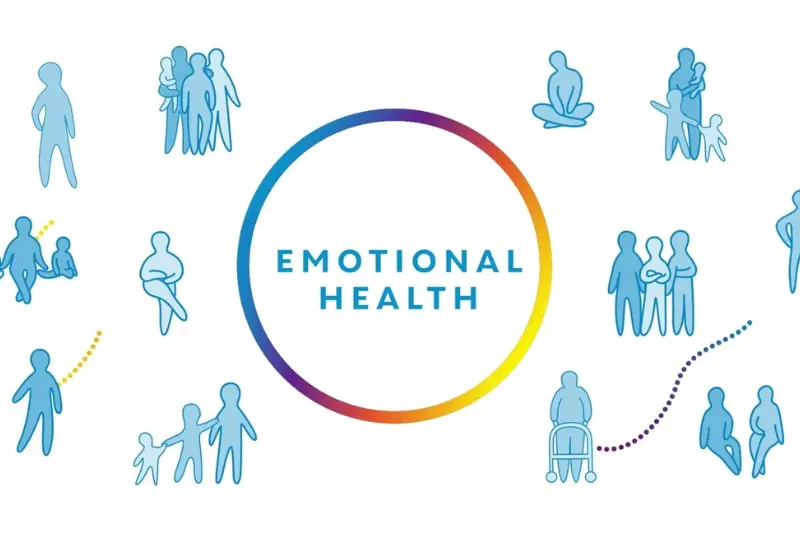
Emotional health refers to the ability to recognize, understand, and manage emotions. It involves coping with stress, expressing feelings appropriately, and maintaining a positive outlook.
How It Connects to Wellness
Emotional health has a direct impact on how we experience life. People who manage their emotions well can navigate challenges without being overwhelmed. On the other hand, poor emotional health often leads to anxiety, depression, or anger issues that disrupt relationships, decrease productivity, and weaken physical health.
Practical Example
Think of a person who recently faced job loss. Someone with strong emotional health acknowledges feelings of sadness and stress but uses healthy coping mechanisms such as talking to loved ones or seeking therapy. This allows them to recover and search for new opportunities. In contrast, someone with poor emotional regulation might sink into depression, isolate themselves, or develop unhealthy habits—damaging overall wellness.
Tips to Strengthen Emotional Health
- Practice stress management techniques like deep breathing or meditation.
- Develop emotional awareness by journaling feelings.
- Build supportive relationships to share emotions openly.
- Avoid unhealthy coping mechanisms such as substance abuse.
- Seek counseling or therapy if needed.

Social Health and Its Role in Wellness
“Social health” is the ability to form and maintain positive relationships with others. It includes communication skills, empathy, cooperation, and a sense of belonging.
How It Connects to Wellness
Human beings are social creatures. Strong social connections improve happiness, reduce stress, and provide support during hardships. On the flip side, isolation can lead to loneliness, depression, and physical decline. Studies show that people with strong friendships and community ties live longer and healthier lives compared to those who are socially isolated.
Practical Example
Consider two elderly individuals. One lives in a supportive community with friends and family who check on them regularly. The other lives alone with no social connections. The first person experiences better emotional stability, more physical activity, and a stronger sense of purpose, while the second may feel lonely, depressed, and neglected—showing how social health shapes overall wellness.
Tips to Strengthen Social Health
- Spend quality time with family and friends.
- Volunteer or participate in community events.
- Improve communication skills and practice empathy.
- Build a network of supportive relationships.
- Avoid toxic or negative influences.

More Alternative Article for you!
Beauty of Joseon Sunscreen Review: The K-Beauty Favorite
Anti-Aging Skincare Routine That Really Works in 2025
Grooming Tips for Men and Women: Look Sharp Daily
Kay Beauty Foundation: A Complete Guide
Spiritual Health and Its Role in Wellness
“Spiritual health’ is about finding meaning and purpose in life. It doesn’t necessarily mean religious beliefs—it can also come from personal values, meditation, or a connection with nature.
How It Connects to Wellness
Spiritual health provides direction, hope, and inner peace. People with a strong sense of purpose handle stress better, feel more fulfilled, and maintain emotional stability. Without spiritual health, individuals may feel lost, purposeless, or disconnected, which weakens overall wellness.
Practical Example
A person who practices meditation daily develops inner calm and resilience. They are less likely to get overwhelmed by small setbacks and more likely to maintain balanced relationships and mental clarity. This contributes directly to overall wellness.
Tips to Strengthen Spiritual Health
- Reflect on personal values and live according to them.
- Practice meditation, yoga, or prayer.
- Spend time in nature for self-reflection.
- Explore philosophies that bring meaning to life.
- Connect with communities that share similar values.

Environmental Health and Its Role in Wellness
“Environmental health” refers to the quality of the surroundings in which we live. Clean air, safe water, sustainable resources, and safe neighborhoods are crucial for healthy living.
How It Connects to Wellness
The environment directly impacts physical health (through pollution, food safety, or noise) and mental health (through stress caused by unsafe or crowded areas). A supportive environment—like green spaces and clean surroundings—encourages outdoor activity, relaxation, and social interaction, which boost wellness.
Practical Example
A child growing up in a clean, safe environment with access to parks and playgrounds is more likely to develop strong physical and social health. In contrast, a child living in a polluted area with unsafe streets may face respiratory problems, stress, and fewer opportunities for healthy social interactions.
Tips to Strengthen Environmental Health
- Maintain personal and community cleanliness.
- Reduce pollution by using eco-friendly practices.
- Advocate for safe and sustainable public spaces.
- Ensure safe housing and workplace conditions.
- Participate in environmental conservation efforts.
Occupational Health and Its Role in Wellness
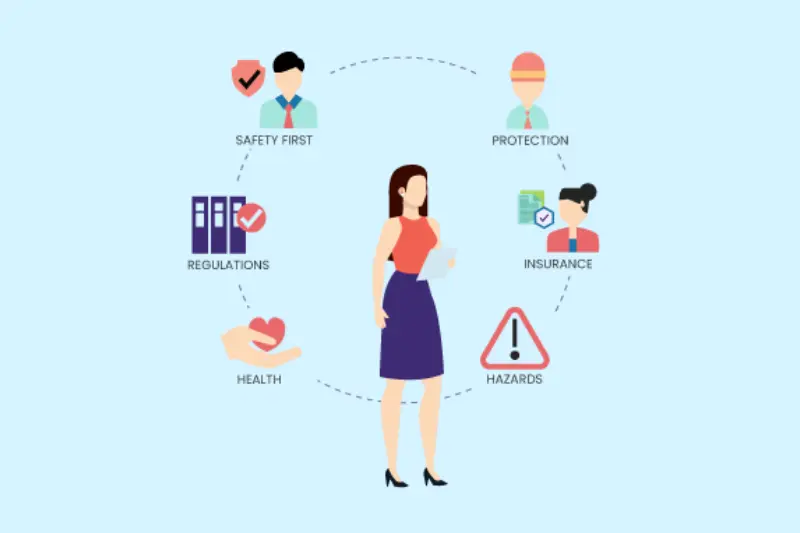
“Occupational health” is about job satisfaction, work-life balance, and safety at the workplace. It also relates to finding fulfillment in what you do.
How It Connects to Wellness
Work is a major part of life, and job-related stress or dissatisfaction spills into other areas of health. A fulfilling career boosts self-esteem, financial stability, and social health. Unsafe or stressful working conditions can cause physical strain, mental exhaustion, and emotional breakdowns—weakening wellness.
Practical Example
An employee with supportive colleagues, fair workload, and career growth opportunities is more likely to feel motivated, less stressed, and healthier overall. In contrast, an overworked employee with no recognition may face burnout, affecting their physical, emotional, and social health.
Tips to Strengthen Occupational Health
- Strive for a healthy work-life balance.
- Communicate openly with employers about workload.
- Pursue careers aligned with passion and values.
- Take regular breaks to avoid burnout.
- Ensure workplace safety and ergonomics. The Interconnection of All Components
The seven components are not isolated; they are deeply connected. A weakness in one area often leads to struggles in another:
- Poor physical health can cause stress (emotional health) and reduce productivity (occupational health).
- A toxic workplace (occupational health) can harm relationships (social health) and mental focus (mental health).
- Living in polluted surroundings (environmental health) weakens physical health and lowers emotional stability.
On the other hand, strengthening one area often benefits others. Regular exercise (physical health) improves mood (emotional health) and boosts confidence at work (occupational health).
This interconnectedness proves that true wellness comes from balancing all components together.
Conclusion
To summarize how the components of health are related to wellness, it’s clear that wellness is not just about being disease-free. It is about achieving harmony among physical, mental, emotional, social, spiritual, environmental, and occupational health. Each component is like a gear in a machine—if one gear stops, the whole system suffers. By nurturing all seven components equally, individuals can create a balanced, fulfilling, and meaningful life.
FAQs
Q1. What are the main components of health?
The seven main components include physical, mental, emotional, social, spiritual, environmental, and occupational health.
Q2. How do these components connect to wellness?
They are interconnected. Together, they shape the balance of body, mind, and life, leading to true wellness.
Q3. Which component is most important for wellness?
All are equally important, though physical health often serves as the foundation for the others.
Q4. Can someone be healthy without being well?
Yes. A person may be free from illness (healthy) but still lack fulfillment, purpose, or happiness (wellness).
Q5. How can I improve my overall wellness?
Focus on each component: eat well, exercise, manage stress, build relationships, connect with purpose, protect the environment, and maintain work-life balance.
Q6. Is emotional health different from mental health?
Yes. Mental health refers to cognitive processes, while emotional health relates to managing and expressing feelings.
Q7. Why is balance among components important?
Because neglecting one area (like poor social health or toxic work conditions) eventually harms other areas, reducing overall wellness.
More Alternative Article for you!
Work Life Balance Strategies: Achieve Success & Wellness
Simple Self-Care Tips Daily: Healthier Lifestyle Guide
