


Introduction
In today’s fast-paced world, it’s easy to put our personal well-being at the bottom of the priority list. Between work deadlines, family responsibilities, and endless notifications from our phones, most people run on autopilot—ignoring their own needs until exhaustion, stress, or even health issues arise. This is where simple self-care tips daily become essential.
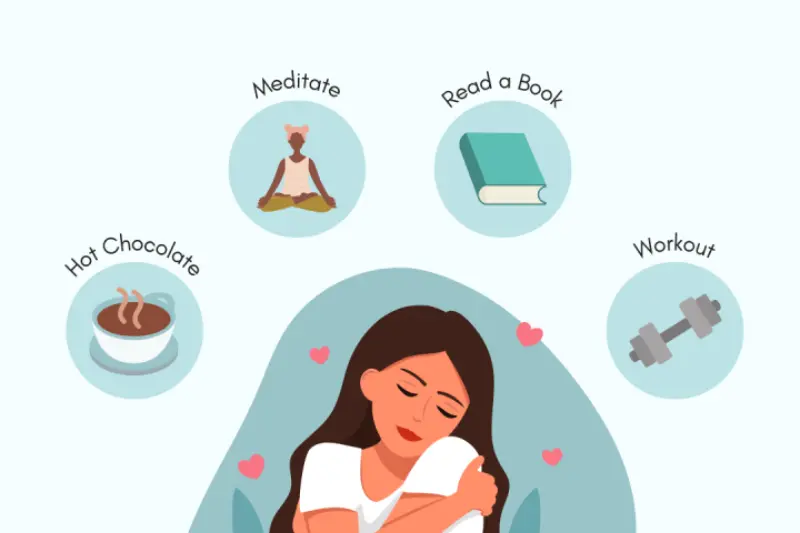
Self-care doesn’t need to be complicated or expensive. You don’t have to go on luxury retreats, spend hours at the spa, or buy high-end wellness products. Instead, self-care is about small, consistent habits that protect your physical health, boost your mental clarity, and improve your emotional well-being. Practicing just a few simple self-care tips every day can reduce stress, prevent burnout, and make life more joyful.
This article is a complete guide on how to integrate self-care into your daily life. We’ll cover why self-care matters, practical tips for morning, workday, and evening routines, challenges people face in staying consistent, and how self-care leads to long-term health and happiness. By the end, you’ll have an actionable plan for practicing daily self-care that’s realistic and effective.
More Alternative Article for you!
Women’s Health After Pregnancy: Diet, Fitness & Mental Care
Stress Relief Tips at Home Guide for Daily Calm
Family Nutrition Guide: Easy Diet Plan for All Ages
Best Elderly Care Tips Every Family Should Know
Why Self-Care Matters in Daily Life

Supports Physical Health
Neglecting basic needs like sleep, hydration, and nutrition quickly leads to fatigue, illness, and lowered immunity. Daily self-care ensures your body gets what it needs to function at its best.

Improves Mental Clarity
Daily stress, if left unmanaged, clouds judgment and reduces focus. Mindfulness practices, breaks, and hobbies allow your brain to reset, making you sharper and more productive.
Strengthens Emotional Resilience
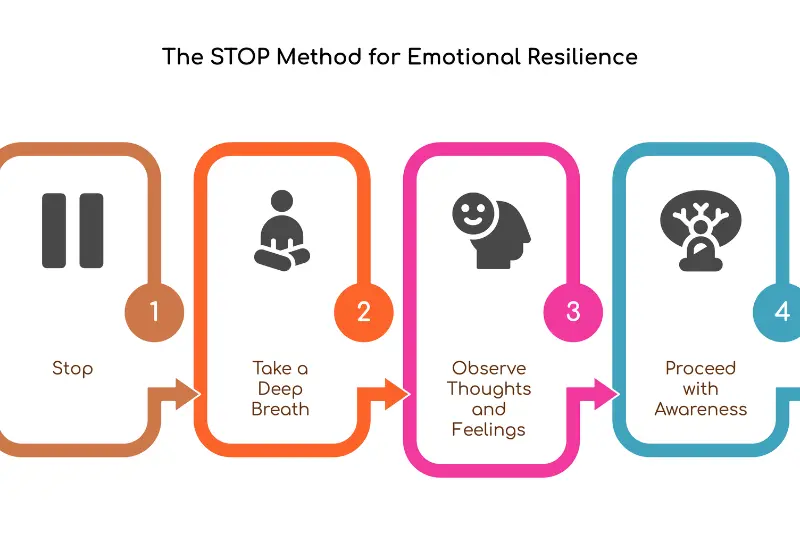
Life is full of challenges. Practicing self-care daily creates a buffer against anxiety and stress, giving you the emotional strength to handle setbacks more calmly.

Prevents Burnout
Many people push themselves too hard at work or in personal responsibilities. Daily self-care acts like a pressure release valve, keeping stress manageable before it escalates.

Builds Long-Term Wellness
Consistent self-care isn’t just about feeling good today; it prevents chronic issues like hypertension, insomnia, and depression in the long run.
Simple Self-Care Tips Daily
Self-care doesn’t have to be time-consuming. Here are simple, actionable tips you can do every day, categorized into physical, mental, emotional, and social well-being.
Physical Self-Care Tips
- Stay Hydrated – Drink enough water throughout the day to stay energized and focused.
- Eat Balanced Meals – Prioritize whole foods, fruits, vegetables, and lean proteins.
- Move Your Body – Even a 15-minute walk daily improves mood and circulation.
- Get Enough Sleep – Aim for 7–8 hours of quality rest to allow your body to repair.
- Stretch Daily – Stretching relieves tension from sitting long hours and prevents stiffness.
Mental Self-Care Tips
- Practice Mindfulness – Spend 5 minutes focusing on your breath or using a meditation app.
- Take Digital Breaks – Step away from screens every couple of hours to recharge your mind.
- Limit Multitasking – Focus on one task at a time for better concentration.
- Read Something Uplifting – Nourish your mind with positive, inspiring content.
- Keep a Journal – Writing down thoughts helps reduce stress and improve clarity.
Emotional Self-Care Tips
- Practice Gratitude – Write down three things you’re thankful for daily.
- Acknowledge Your Feelings – Don’t suppress emotions; recognize them and reflect.
- Set Boundaries – Say no when needed to protect your mental health.
- Engage in Activities You Love – Do at least one thing daily that makes you happy.
- Use Affirmations – Positive self-talk can shift your mood and mindset. Social Self-Care Tips
- Connect with Loved Ones – A simple call or message can uplift both you and them.
- Spend Time with Positive People – Surround yourself with supportive individuals.
- Join a Community or Group – Whether online or in-person, belonging fosters joy.
- Give Back – Helping others boosts your own sense of fulfillment.
- Balance Social Time with Alone Time – Too much socializing can drain you; balance is key.
Morning Self-Care Routine
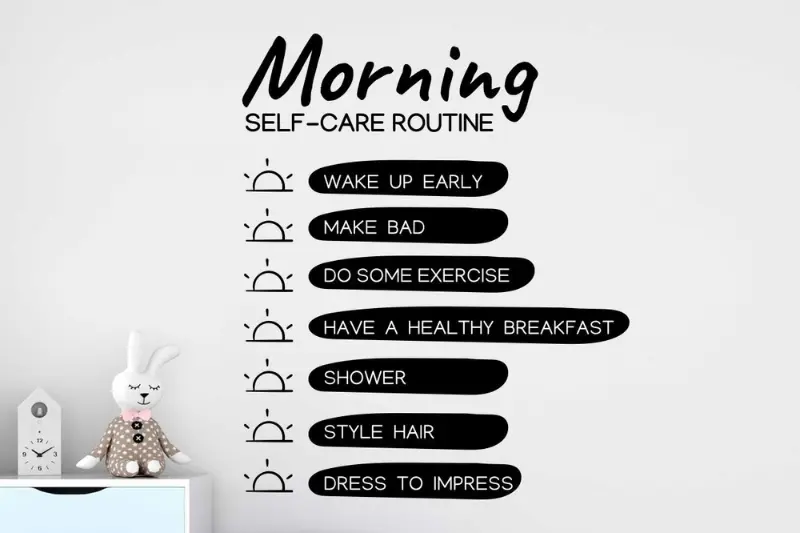
How you start your day sets the tone for everything that follows. A simple morning self-care routine can boost energy, motivation, and focus.
- Wake Up Early and Slowly – Avoid rushing. Give yourself time to transition into the day.
- Hydrate First – Drink a glass of water before reaching for coffee.
- Stretch or Exercise – Even 10 minutes of yoga can awaken your body.
- Practice Mindfulness – Spend 5 minutes meditating or practicing gratitude.
- Eat a Nutritious Breakfast – Fuel your body with whole grains, protein, and fruit.
More Alternative Article for you!
Work Life Balance Strategies: Achieve Success & Wellness
Simple Self-Care Tips Daily: Healthier Lifestyle Guide
Top Parenting Tips for New Parents to Follow Daily
Best Morning Routine for Success in Daily Life
Midday Self-Care at Work or School
During busy days, self-care often gets ignored. But small actions during your workday keep stress low and productivity high.
- Take Short Breaks – Step away from your desk to reset your mind.
- Eat Mindfully – Avoid eating lunch in front of your computer; enjoy your meal.
- Move Around – Walk for a few minutes every hour to refresh circulation.
- Practice Breathing Exercises – Deep breathing reduces stress and clears your head.
- Avoid Overcommitment – Say no to unnecessary tasks that add to your workload.
Evening Self-Care Routine
Evenings are about winding down and preparing your mind and body for rest.
- Disconnect from Work – Set boundaries and avoid checking emails after hours.
- Prepare a Light Dinner – Avoid heavy meals that interfere with sleep.
- Limit Screen Time – Reduce exposure to blue light before bed.
- Reflect on the Day – Journaling helps release stress and celebrate wins.
- Create a Bedtime Ritual – Read, stretch, or practice calming breathing before sleep.
Challenges in Practicing Daily Self-Care
Even though self-care sounds simple, many people struggle to practice it consistently. Common challenges include:
- Lack of Time – Busy schedules make self-care feel like a luxury.
- Guilt – Many feel selfish for prioritizing their needs.
- Inconsistency – Habits are hard to maintain without discipline.
- Overcomplication – Believing self-care requires hours or expensive routines.
- Workplace Pressure – Demanding jobs leave little energy for personal care.
Solution: Start small. Even 5–10 minutes daily is better than nothing. Gradually, these small acts build into consistent habits.
Long-Term Benefits of Simple Daily Self-Care
- Better Physical Health – Stronger immunity, higher energy, and improved sleep.
- Reduced Stress – Consistent relaxation practices lower anxiety levels.
- Improved Productivity – A well-rested mind performs better at work and studies.
- Happier Relationships – When you take care of yourself, you show up better for others.
- Higher Life Satisfaction – Daily self-care creates balance and fulfillment.
Conclusion
Self-care isn’t selfish—it’s essential. By practicing simple self-care tips daily, you protect your body, refresh your mind, and strengthen your emotional well-being. Whether it’s drinking water, taking deep breaths, journaling, or connecting with loved ones, the key is consistency. You don’t need hours every day; even a few minutes of intentional care can transform your life.
Start small, build routines, and remember: taking care of yourself is the foundation for everything else in life.
FAQs on Simple Self-Care Tips Daily
What are simple self-care tips I can practice daily?
Drinking water, stretching, practicing gratitude, and taking short breaks are easy self-care habits.
How much time should I spend on daily self-care?
Even 10–15 minutes a day can make a big difference. The key is consistency.
Is self-care only physical?
No. Self-care includes physical, mental, emotional, and social practices.
How can I practice self-care if I’m very busy?
Incorporate micro-habits like mindful breathing, short walks, or journaling before bed.
Can self-care improve productivity?
Yes. A rested, balanced mind performs tasks more efficiently and creatively.
Is daily self-care expensive?
Not at all. Most self-care habits—like meditation, exercise, and gratitude—are free.
What’s the best morning self-care routine?
Hydrating, stretching, and practicing gratitude create a positive start to your day.
How does self-care affect mental health?
Daily self-care reduces stress, anxiety, and burnout, leading to better emotional stability.
Should self-care include social activities?
Yes. Connecting with loved ones is part of emotional and social self-care.
Can self-care replace professional therapy?
No, but it complements therapy by creating daily resilience and healthy habits.
What if I feel guilty taking time for self-care?
Remember, you can only care for others effectively when you care for yourself first.
How do I make self-care a habit?
Start small, track progress, and attach new habits to existing routines.
Does digital detox count as self-care?
Absolutely. Limiting screen time reduces stress and improves sleep quality.
Can students practice self-care daily?
Yes. Students can manage stress with breaks, sleep, hydration, and mindful study habits.
How does self-care improve relationships?
When you feel balanced, you bring patience, energy, and positivity into relationships.
More Alternative Article for you!
Summarize How The Components Of Health Are Related To Wellness
Healthy Lifestyle Habits: A Complete Guide to Better Living
