

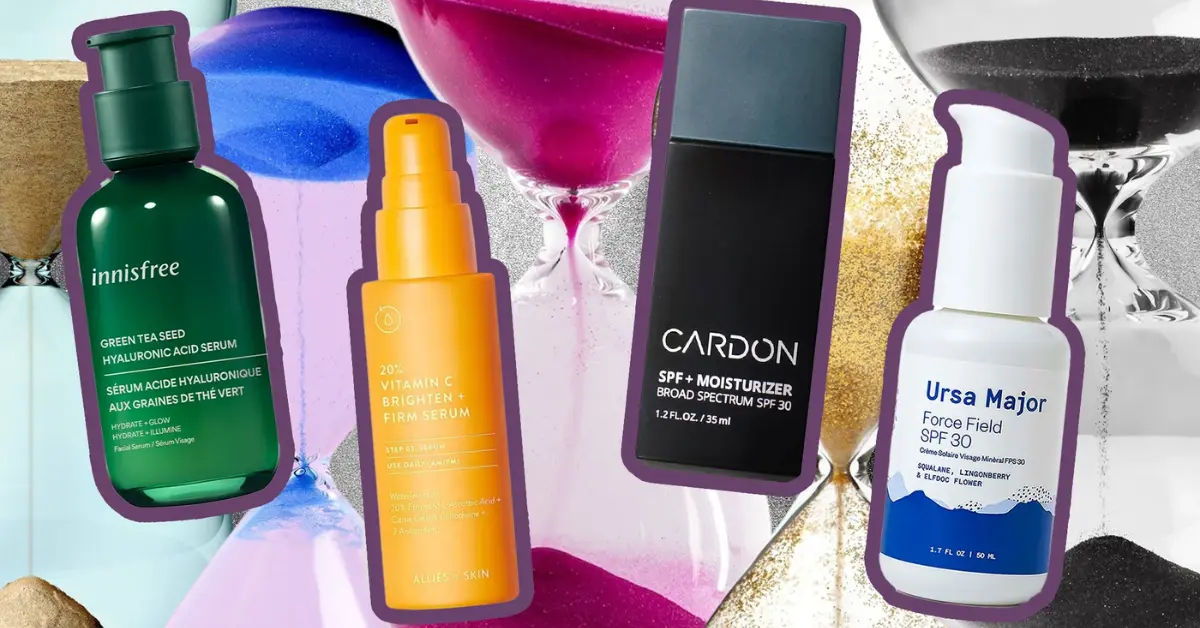
Introduction
Aging is a natural part of life, but how gracefully you age often depends on the care you give your skin. Wrinkles, fine lines, dark spots, and loss of elasticity are common as the years go by, but the good news is that a dedicated anti-aging skincare routine can slow down these changes and keep your skin looking radiant and youthful.
Unlike quick fixes, an effective routine is built on consistency and the right balance of products, habits, and lifestyle. Whether you’re in your 20s looking to prevent early signs of aging, or in your 40s or 50s aiming to restore glow, the right approach makes all the difference.
This guide will walk you through the essentials of a smart, effective anti-aging skincare routine that blends science, natural care, and good habits for long-lasting results.
More Alternative Article for you!
Women’s Health After Pregnancy: Diet, Fitness & Mental Care
Stress Relief Tips at Home Guide for Daily Calm
Family Nutrition Guide: Easy Diet Plan for All Ages
Best Elderly Care Tips Every Family Should Know
Why Anti-Aging Skincare Matters
Your skin is the body’s largest organ, constantly exposed to sunlight, pollution, stress, and internal changes. As collagen and elastin production slow with age, the skin begins to show:
- Fine lines and wrinkles
- Loss of firmness and sagging
- Uneven skin tone or hyperpigmentation
- Rough texture and dryness
- Reduced natural glow
A proper routine doesn’t stop the clock but helps delay visible aging, while boosting overall skin health. It also builds a strong foundation that protects against future damage.
Morning Anti-Aging Skincare Routine
The morning routine focuses on protection and hydration, shielding your skin from UV rays, pollution, and daily stressors.
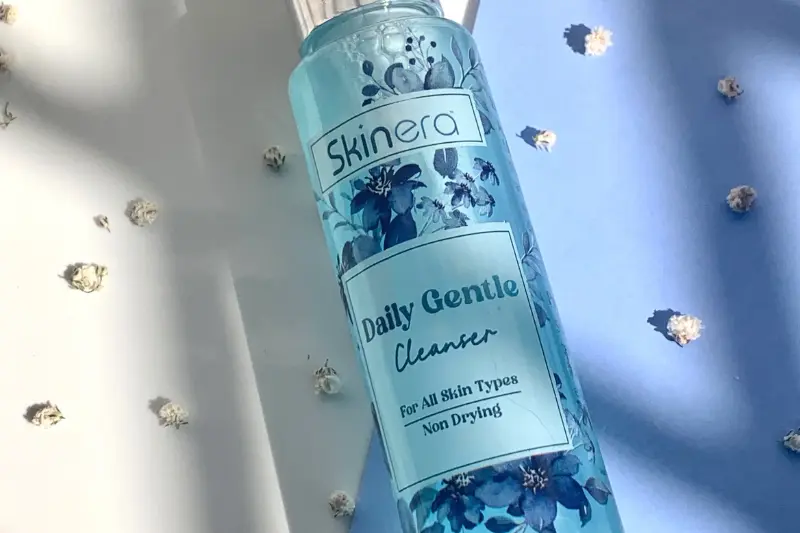
Gentle Cleanser
Start with a mild, hydrating cleanser to remove oil and impurities without stripping natural moisture. Harsh soaps accelerate dryness, which deepens wrinkles.
Best choices: Cream cleansers, gel cleansers with glycerin, or micellar water.
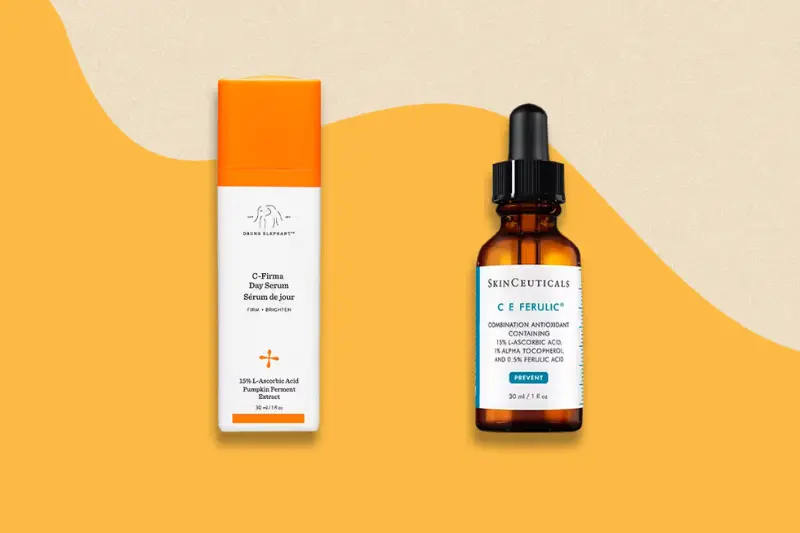
Antioxidant Serum (Vitamin C)
Vitamin C is one of the most effective anti-aging ingredients. It:
- Fights free radicals that cause premature aging.
- Brightens dull skin.
- Boosts collagen production for firmness.
Apply a few drops after cleansing for maximum absorption.
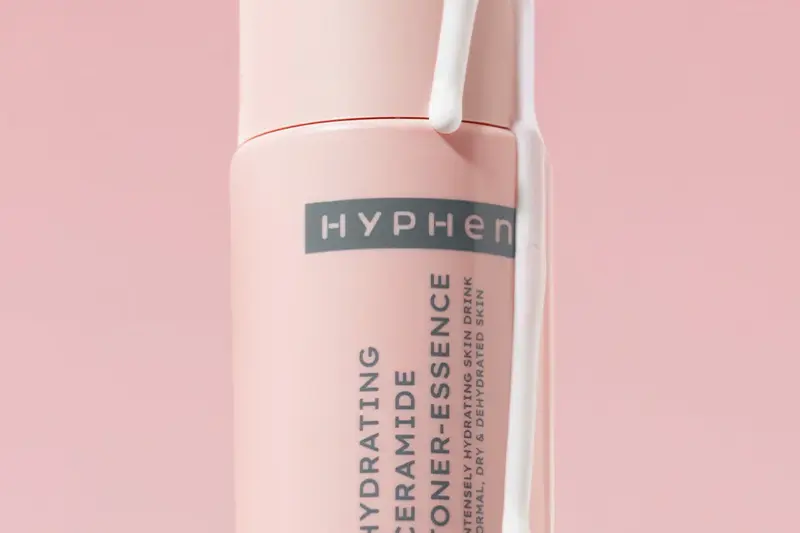
Hydrating Toner or Essence
Toners restore pH balance, while essences provide hydration and prep skin for the next steps. Look for products with hyaluronic acid, rose water, or green tea extracts.
Moisturizer with Peptides or Ceramides
Hydration is key to youthful skin. A lightweight moisturizer with peptides supports collagen production, while ceramides strengthen the skin barrier.
Sunscreen (SPF 30 or Higher)
The most powerful anti-aging tool is sunscreen. UV rays are the number one cause of premature aging, leading to wrinkles and pigmentation.
Choose a broad-spectrum sunscreen with SPF 30+ and reapply every 2–3 hours if outdoors.
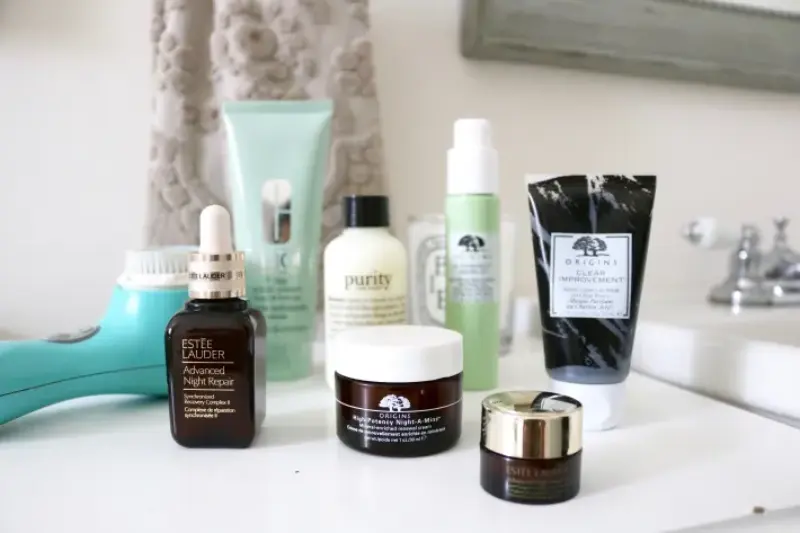
Optional: Eye Cream
If puffiness, fine lines, or dark circles are a concern, apply an eye cream with caffeine, peptides, or hyaluronic acid. This delicate area shows aging first, so prevention is key.
More Alternative Article for you!
Summarize How The Components Of Health Are Related To Wellness
Healthy Lifestyle Habits: A Complete Guide to Better Living
Daily Fitness Routine at Home for Better Health
Health and Wellness Jobs: Best Career Options 2025
3 Things to Do as an Advocate for Health and Wellness
Night Anti-Aging Skincare Routine
Evening skincare is about repair and rejuvenation. At night, the skin naturally renews itself, making it the best time to apply treatments.
Double Cleanse
Remove makeup, sunscreen, and dirt with an oil-based cleanser, followed by a gentle water-based cleanser. This ensures a clean surface for active treatments.

Exfoliation (2–3 Times a Week)
Dead skin cells make fine lines and dark spots appear worse. Gentle exfoliation helps:
- Stimulate cell turnover.
- Improve absorption of serums.
- Brighten dull skin.
Choose chemical exfoliants like AHAs (glycolic acid, lactic acid) or BHAs (salicylic acid) over harsh scrubs.

Retinol or Retinoid Serum
Retinol is the gold standard in anti-aging skincare. Benefits include:
- Boosting collagen and elastin.
- Reducing wrinkles and fine lines.
- Improving skin texture and tone.
Start with a low concentration 2–3 times a week, then build up as your skin adjusts.
Hydrating Serum (Hyaluronic Acid or Niacinamide)
Retinol can sometimes be drying, so pair it with hydrating serums to lock in moisture and calm the skin barrier. Niacinamide also helps reduce pigmentation and redness.
Night Cream or Sleeping Mask
Rich creams with peptides, ceramides, or squalane deeply nourish and repair skin overnight. A sleeping mask adds an extra boost of hydration.
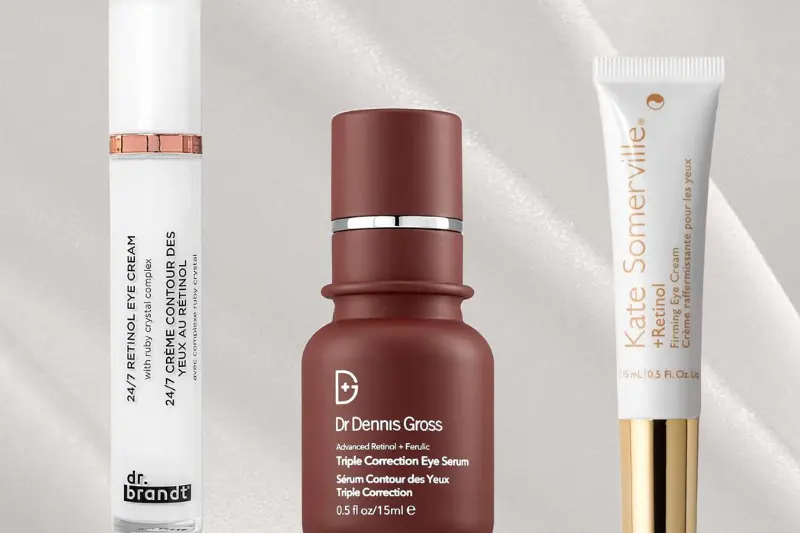
Eye Cream with Retinol or Peptides
Use a nighttime eye treatment to target crow’s feet and fine lines. Be consistent—results take time but are long-lasting.
Lifestyle Habits That Support Anti-Aging
Skincare products are powerful, but lifestyle plays an equally big role in how your skin ages.
- Healthy Diet: Include foods rich in antioxidants (berries, leafy greens, nuts) and omega-3 fatty acids (salmon, flaxseeds).
- Hydration: Drink 8–10 glasses of water daily to maintain plump skin.
- Sleep: Aim for 7–9 hours of quality rest. Skin regenerates best during deep sleep.
- Exercise: Regular activity boosts circulation, giving skin a natural glow.
- Stress Management: Chronic stress increases cortisol, which breaks down collagen. Try meditation, yoga, or deep breathing.
- No Smoking, Limit Alcohol: Both accelerate skin aging by dehydrating cells and breaking down collagen.
Advanced Anti-Aging Treatments
For deeper results, you can combine skincare with dermatologist-recommended treatments:
- Chemical Peels: Improve texture and reduce pigmentation.
- Microneedling: Stimulates collagen production.
- Laser Therapy: Targets wrinkles and sunspots.
- Injectables (Botox, Fillers): Provide quick fixes for lines and volume loss.
Always consult a professional before trying these.
Natural Anti-Aging Remedies
If you prefer gentle, natural solutions, try:
- Aloe Vera: Soothes and hydrates.
- Green Tea Masks: Rich in antioxidants.
- Rosehip Oil: Known as “nature’s retinol” for its vitamin A and C content.
- Honey: Moisturizes and heals fine lines.
These remedies may not give instant results but help support your overall routine.
Common Mistakes to Avoid
- Skipping sunscreen—no anti-aging routine works without it.
- Over-exfoliating—causes irritation and damages the skin barrier.
- Using too many active ingredients at once—leads to sensitivity.
- Expecting overnight results—anti-aging skincare takes consistency and patience.
FAQs
Q1. At what age should I start an anti-aging skincare routine?
It’s best to start in your mid-20s to early 30s with preventive steps like sunscreen and antioxidants. The earlier you begin, the better your skin will age.
Q2. Can I reverse wrinkles with skincare products?
While no topical product can erase deep wrinkles completely, consistent use of retinol, peptides, and sunscreen can soften fine lines and improve skin texture.
Q3. How important is diet for anti-aging skin?
Very important. Foods rich in antioxidants (berries, leafy greens, nuts, fatty fish) help fight free radicals and improve collagen production for youthful skin.
Q4. Should I use natural remedies for anti-aging?
Yes, natural remedies like aloe vera, honey masks, and green tea extracts can complement your skincare, but they should not replace dermatologist-approved products.
Q5. Is sunscreen necessary even if I stay indoors?
Yes. UV rays can penetrate through windows, causing premature aging. Daily sunscreen use is essential, whether indoors or outdoors.
Q6. What’s the difference between day cream and night cream?
Day creams are lightweight and often contain SPF for protection, while night creams are richer, focusing on repair and hydration while you sleep.
Q7. How long does it take to see results from an anti-aging skincare routine?
Most people notice visible changes in 8–12 weeks of consistent use. Patience and routine are key for long-term results.
Q8. Do men need an anti-aging skincare routine too?
Absolutely. Men’s skin also ages and benefits from the same essentials: sunscreen, hydration, antioxidants, and retinol.
Q9. Can stress and lack of sleep make me age faster?
Yes, chronic stress and poor sleep trigger higher cortisol levels, leading to faster collagen breakdown, dullness, and early wrinkles.
Q10. Are professional treatments necessary for anti-aging?
Not always. A good skincare routine works wonders, but treatments like chemical peels, micro needling, or laser therapy can boost results for stubborn signs of aging.
Conclusion
An effective anti-aging skincare routine is not about buying the most expensive creams but about being consistent, patient, and mindful of your skin’s needs. With the right morning and night steps, balanced lifestyle habits, and occasional advanced treatments, you can slow down visible signs of aging and maintain a glowing, youthful complexion.
Remember: prevention is easier than correction—so start today and let your skin thank you tomorrow.
More Alternative Article for you!
Beauty of Joseon Sunscreen Review: The K-Beauty Favorite
Anti-Aging Skincare Routine That Really Works in 2025
