


Introduction
Welcoming a newborn into the family is one of life’s most cherished experiences, but it also comes with a mix of excitement, responsibility, and challenges. Many new parents feel overwhelmed about how to provide the best care for their little one, especially at home. While hospitals and pediatricians provide the medical foundation, the real day-to-day nurturing takes place in the home environment.
This guide will walk you through essential baby care tips at home—from feeding and hygiene to sleep routines, bonding, and safety measures. With the right knowledge and a gentle approach, you can create a healthy, loving, and secure space for your baby to thrive.
Creating a Safe and Comfortable Home Environment
The first step in caring for a newborn is ensuring that your home is safe, hygienic, and baby-friendly.
Baby-proofing essentials: Install socket covers, corner guards, and keep small objects out of reach.
Cleanliness matters: Babies have sensitive immune systems, so keep floors, toys, and feeding bottles clean.
Room temperature: Maintain a comfortable temperature (around 22–24°C or 71–75°F). Overheating can increase the risk of Sudden Infant Death Syndrome (SIDS).
Noise and lighting: Babies thrive in a calm, quiet environment. Use dim lighting for nighttime care to avoid overstimulation.
A safe and soothing environment helps your baby feel secure and reduces stress for parents.

More Alternative Article for you!
Summarize How The Components Of Health Are Related To Wellness
Healthy Lifestyle Habits: A Complete Guide to Better Living
Daily Fitness Routine at Home for Better Health
Health and Wellness Jobs: Best Career Options 2025
Feeding and Nutrition at Home
Feeding is one of the most important aspects of baby care. It not only provides nourishment but also strengthens the emotional bond between you and your baby.

Breastfeeding
- Exclusive breastfeeding is recommended for the first 6 months.
- Feed on demand (usually every 2–3 hours).
- Ensure correct latch to avoid nipple pain and ensure the baby is feeding properly.
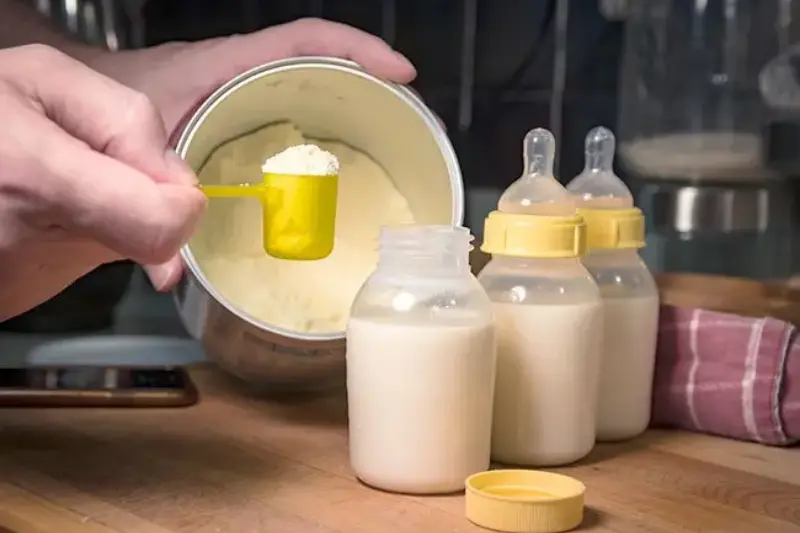
Formula Feeding
- If breastfeeding isn’t possible, use pediatrician-recommended formula.
- Always sterilize bottles before use.
- Follow exact preparation instructions—never dilute formula more than recommended.

Introducing Solids
- Start solids around 6 months (with doctor approval).
- Begin with mashed fruits, pureed vegetables, and iron-rich cereals.
- Introduce one new food at a time to check for allergies.
- Proper feeding routines ensure healthy growth, improve immunity, and set the foundation for lifelong eating habits.

Bathing and Hygiene Care
Hygiene plays a vital role in a baby’s growth and development. Since newborns have delicate skin and underdeveloped immune systems, maintaining proper hygiene ensures they stay comfortable, free from infections, and happy.
Bathing Tips for Newborns
- Frequency: Newborns don’t need a daily bath. 2–3 times per week is enough until they start crawling or getting messy. In between, you can give sponge baths to clean areas like the face, neck, hands, and diaper area.
- Timing: Choose a time when your baby is alert and content, not hungry or sleepy. Many parents find evening baths helpful as they relax the baby before bedtime.
- Water temperature: Always check water temperature with your wrist or elbow—it should feel warm but not hot (around 37°C or 98.6°F).
- Safety first: Never leave your baby unattended in the bath, even for a few seconds. Keep everything (towel, soap, fresh clothes, diapers) within reach before starting.
More Alternative Article for you!
Beauty of Joseon Sunscreen Review: The K-Beauty Favorite
Anti-Aging Skincare Routine That Really Works in 2025
Grooming Tips for Men and Women: Look Sharp Daily
Kay Beauty Foundation: A Complete Guide
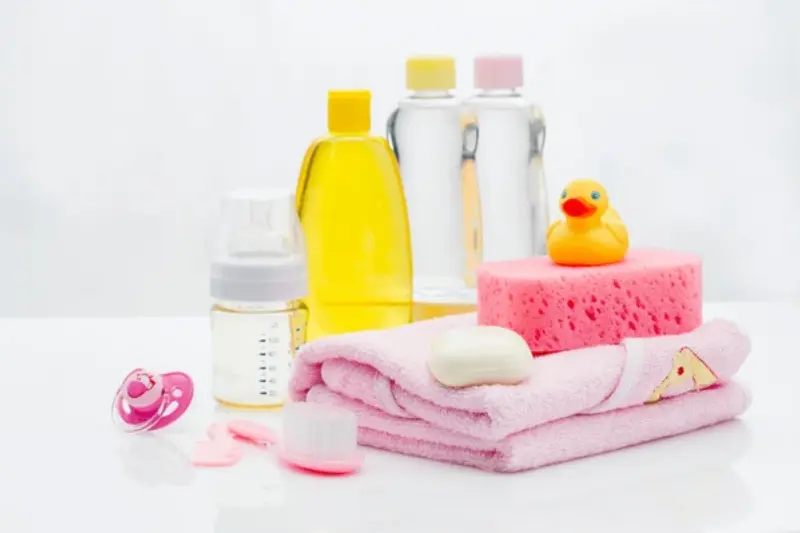
Baby Bath Essentials
Mild baby soap and shampoo: Use products designed for sensitive skin, free from parabens, sulfates, and strong fragrances.
- Soft washcloths: Gentle fabrics help avoid skin irritation.
- Baby bathtub: Ergonomically designed tubs provide support and safety.
- Soft hooded towel: Keeps your baby warm immediately after bathing.
Umbilical Cord Care
Until the stump falls off (usually 1–2 weeks after birth), keep it dry and clean. Avoid submerging the stump in water during sponge baths, and gently pat dry if it gets wet.
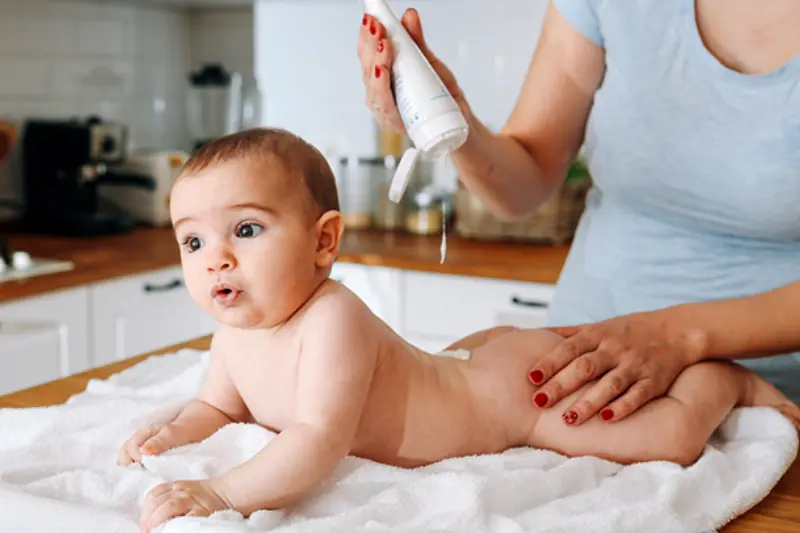
Diapering and Skin Hygiene
- Frequent changes: A baby may need 8–12 diaper changes per day. Prolonged exposure to moisture can cause rashes.
- Cleaning method: Use warm water and cotton pads or gentle baby wipes (fragrance-free). Wipe front to back, especially for girls, to prevent infections.
- Diaper rash care: If rashes appear, apply a zinc-oxide-based diaper cream and allow diaper-free time to let the skin breathe.
- Clothing hygiene: Wash baby clothes separately with mild, hypoallergenic detergent to prevent irritation.
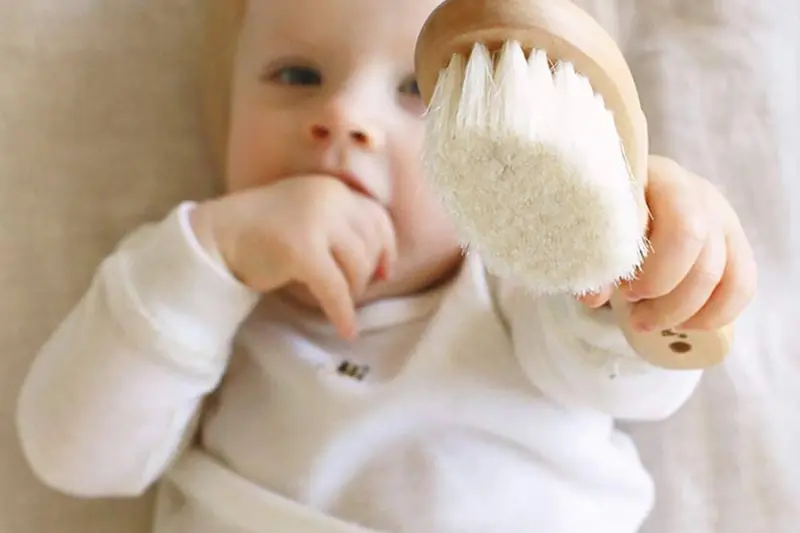
Nail and Hair Care
- Nail trimming: Baby nails grow fast and can scratch their face. Use baby nail clippers or soft emery boards. Trim after a bath when nails are softer.
- Hair care: Wash hair gently with mild baby shampoo. Brush with a soft-bristle brush to prevent cradle cap (scaly patches on the scalp).
Maintaining these hygiene practices creates a protective barrier against infections and keeps your baby’s skin soft, clean, and healthy.

Baby Sleep Routines
Sleep is one of the most important aspects of a baby’s well-being. During sleep, babies’ brains process information, bodies grow, and immune systems strengthen. However, new parents often struggle with irregular sleep schedules, short naps, and frequent night wakings. Establishing good habits early makes a huge difference.
Understanding Baby Sleep Patterns
- Newborn stage (0–3 months): Babies sleep 14–17 hours a day, often in 2–4 hour stretches due to frequent feeding needs.
- Infants (3–6 months): Sleep consolidates, and babies may begin sleeping 5–6 hours at a stretch at night.
- 6–12 months: Babies may need 12–15 hours of sleep, with longer night sleep and 2–3 naps during the day.
Recognizing these natural patterns helps you set realistic expectations and reduces frustration.

Creating a Sleep-Friendly Environment
Quiet and calm: Reduce background noise. A white-noise machine or soft lullabies can help soothe babies.
Lighting: Keep nights dark with blackout curtains, and expose babies to natural daylight during the day to regulate their body clock.
Temperature: Maintain 20–22°C (68–72°F). Overheating increases SIDS risk, while cold discomfort can wake them up.
Bedding: Use a firm mattress with a fitted sheet. Avoid pillows, blankets, bumpers, or stuffed toys in the crib.
Bedtime Routine Ideas
Consistency is key. A predictable bedtime routine signals to your baby that it’s time to sleep. A simple routine may include:
- Warm bath
- Gentle massage with baby oil
- Quiet feeding session
- Reading a short bedtime story
- Dimming lights and soft music
Babies learn through repetition. Following the same sequence each night helps them feel secure and relaxed.
Common Sleep Challenges and Solutions
Frequent night wakes: Ensure your baby isn’t hungry, uncomfortable, or overstimulated. Sometimes, gentle patting without picking them up works better than rocking every time.
Short naps: Babies may wake after 30–45 minutes. Try resettling them by stroking their back or playing soft music.
Day-night confusion: Keep daytime naps in a well-lit area and nighttime feeds quiet and dimly lit. This helps babies distinguish day from night.
Co-sleeping debates: Some parents choose to co-sleep for convenience, but always follow safe-sleep guidelines (firm mattress, no heavy bedding, no smoking in the room).

Importance of Parent Rest
Parental exhaustion is real. Taking turns with your partner, napping when your baby naps, and asking family members for support helps maintain your own health. A well-rested parent is more patient and better equipped to care for their baby

Bonding with Your Baby
Bonding is the emotional connection that develops between a parent and child. This attachment lays the foundation for your baby’s mental and emotional well-being. A baby who feels secure and loved is more likely to develop confidence, empathy, and strong relationships later in life.
Ways to Build Strong Bonds
Skin-to-skin contact: Holding your baby close against your bare chest regulates their heartbeat, breathing, and body temperature while strengthening emotional attachment.
Eye contact: Gazing into your baby’s eyes during feeding or play makes them feel recognized and safe.
Talking and singing: Babies learn language by listening. Speak to them often, describe what you’re doing, or sing lullabies—they’ll respond with coos and smiles.
Gentle massage: A soothing baby massage not only relaxes your child but also enhances circulation, digestion, and emotional closeness.
When babies cry, respond quickly and gently. This builds trust and reassures them that their needs will be met.
Importance of Bonding
Bonding reduces parental stress, promotes healthy brain development, and strengthens the parent-baby relationship. Fathers, grandparents, and siblings can also participate in bonding activities to create a wider circle of love.
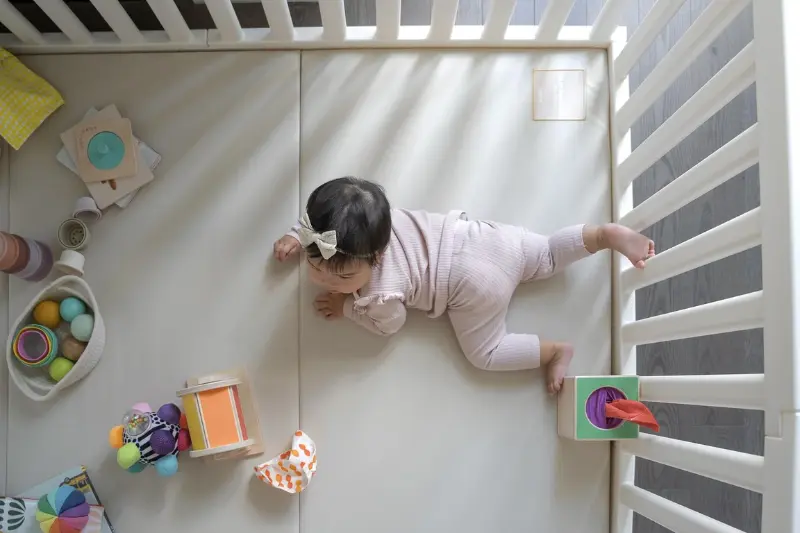
Playtime and Stimulation
Playtime is not just fun—it’s a baby’s way of learning about the world. Through play, babies develop motor skills, cognitive abilities, and social interactions.
Benefits of Playtime
Motor development: Activities like tummy time help strengthen neck, back, and arm muscles.
Cognitive growth: Interactive toys, rattles, and peek-a-boo games stimulate memory and problem-solving.
Social skills: Smiling, cooing, and responding to voices prepare babies for future communication.
Emotional regulation: Gentle play relieves stress and helps babies adapt to new experiences.
Age-Appropriate Play Ideas
Newborns (0–3 months): Simple face-to-face interactions, soft music, black-and-white visual cards.
3–6 months: Tummy time, reaching for toys, colorful rattles, and gentle tickling games.
6–12 months: Crawling games, stacking cups, clapping along to nursery rhymes, hide-and-seek with objects.
Safe Play Practices
Always supervise playtime. Choose non-toxic, lightweight toys that are too large to swallow. Keep play sessions short but frequent to avoid overstimulation.

Baby Safety at Home
Safety is a top priority for parents, especially as babies become mobile and curious. A baby-proofed home ensures peace of mind.
General Safety Tips
- Crib safety: Use a firm mattress, no loose blankets or toys. Keep the crib away from windows and cords.
- Babyproofing: Cover sharp corners, use safety gates on stairs, lock cabinets with cleaning supplies, and secure electrical outlets.
- Temperature checks: Always check food, milk, and bath water before giving to your baby.
- Car safety: Always use an age-appropriate car seat, properly installed in the back seat facing rearward for infants.
Emergency Preparedness
- Keep a first-aid kit stocked with essentials (digital thermometer, baby-safe medications, antiseptic wipes).
- Learn infant CPR and choking first aid—these skills can save lives in emergencies.
- Have emergency contacts (pediatrician, hospital, family members) easily accessible.
Common Health Concerns
Even with the best care, babies may experience minor health issues. Knowing how to handle them at home—and when to seek medical help—empowers parents.
Common Issues and Remedies
- Colic: Prolonged crying with no clear cause. Try burping after feeds, gentle rocking, or warm compresses on the tummy.
- Gas and constipation: Gentle tummy massages, bicycle leg movements, and warm baths may help.
- Diaper rash: Frequent diaper changes, diaper-free time, and barrier creams can ease discomfort.
- Fever: Monitor with a digital thermometer. Contact your doctor if your newborn has a temperature above 100.4°F (38°C).
- Coughs and colds: Use a humidifier, saline nasal drops, and suction bulbs for relief. Seek medical help if breathing becomes labored.
When to Call a Doctor
- Persistent high fever
- Refusal to feed or dehydration signs (few wet diapers)
- Difficulty breathing or bluish lips
- Rash spreading rapidly
- Excessive vomiting or diarrhea
- Being cautious ensures your baby receives timely medical care if needed.
Conclusion
Caring for a baby at home requires patience, consistency, and love. By focusing on nutrition, hygiene, sleep, bonding, playtime, safety, and timely health care, parents can ensure their baby’s healthy growth and development.
The early months may feel overwhelming, but with time, both you and your baby will settle into a rhythm. Trust your instincts, stay informed, and don’t hesitate to seek professional advice. With proper care, your baby will not only grow healthy but also thrive in a secure, loving environment.
Frequently Asked Questions (FAQs)
Q1. How often should I bathe my newborn?
2–3 times per week is enough.
Q2. How can I help my baby sleep through the night?
Follow a bedtime routine and use dim lighting.
Q3. What should I do if my baby cries excessively?
Check basic needs; if persistent, consult a pediatrician.
Q4. How can I keep my baby safe while sleeping?
Place baby on their back with no loose bedding.
Q5. What are signs of dehydration in babies?
Few wet diapers, dry mouth, sunken soft spot.
Q6. When can my baby start solid foods?
Around 6 months, with pediatrician approval.
Q7. How important is tummy time?
Essential for motor development and preventing flat head.
Q8. How do I manage diaper rash naturally?
Coconut oil, Aloe Vera, and diaper-free time.
Q9. What vaccinations are essential for babies?
Follow pediatrician’s recommended schedule.
Q10. How can I bond if I’m a working parent?
Engage in short but meaningful daily interactions.
More Alternative Article for you!
Work Life Balance Strategies: Achieve Success & Wellness
Simple Self-Care Tips Daily: Healthier Lifestyle Guide
