

Source: https://reluxcollision.com/tesla/
A shopping cart rolls into a Camry door, and the collision repair bill lands around what you would expect. Now put the same cart and the same dent on a Tesla Model Y or a Porsche Cayenne. The estimate can double or triple. Most owners stare at that second number and reach the obvious conclusion: someone is padding the bill. It feels that way, but the feeling is wrong.
Usually nobody is either right or wrong. The higher price of luxury and EV collision repair comes from the cars themselves. The metal they use, the sensors they carry, the paint they wear, and the rules their makers set for fixing them all add cost. Once you see where each dollar goes, the number stops feeling like a mystery and starts reading like a receipt. Let’s walk through it.
The Metal Itself Changes the Whole Job
A steel fender remembers its shape. That is why a skilled tech can work many dents back out. Aluminum does not play by those rules. It stiffens as it bends. So a damaged aluminum panel often gets swapped out or fixed with entirely different methods. Tesla, Audi, Land Rover, and most of the luxury tier lean heavily on aluminum.
The metal also demands its own room. Steel dust settling on bare aluminum starts corrosion where the two metals touch. Proper shops keep separate tools and a curtained work area for aluminum jobs because of it. Duplicate tool sets, dedicated space, specific training. That overhead exists whether your repair is large or small, and it lives quietly inside every aluminum estimate you will ever read.
Why EV Collision Repair Starts at the Battery
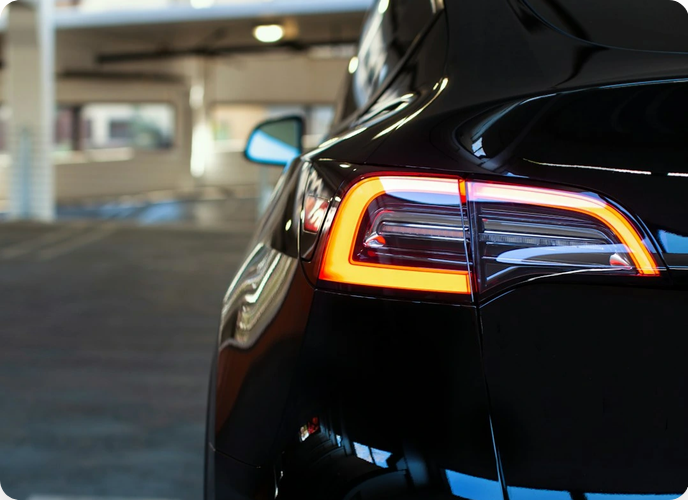
An electric car arrives at the shop as a high-voltage system first and a bent panel second. The maker’s repair manual calls for shutting that system down before body work begins. A battery pack near the impact zone also needs a check, even when the damage looks skin deep. A floor-mounted pack changes how the car gets lifted, too. One wrong jack point presses into the most costly part of the whole car.
None of this shows up on the car when you get it back. That bothers some owners, paying for work they cannot see. In fairness, that invisible work is the part that keeps an EV safe to charge in your garage every night.
Sensors Hide Behind Almost Every Panel
A modern luxury bumper is not really a bumper. It is a housing for radar units, parking sensors, and sometimes cameras, wrapped in painted plastic. Remove and reinstall one, and those systems need a full reset before you can trust lane keeping and emergency braking again. Diagnostic scanning before and after the repair catches faults that throw no dashboard light at all.
Here is where the estimate grows quietly. Calibration takes gear, targets, floor space, and time. A luxury car often carries twice the sensor count of a budget model. Skipping it saves money and risks a safety system that reacts incorrectly at 70 miles per hour. No serious shop offers that discount.
Source: https://reluxcollision.com/tesla/
Paint That Takes Three Layers and a Trained Eye
Plenty of high-end finishes use tri-coat systems: a base color, a pearl or tint layer, and then clear. Matching one means blending into the panels next door. The repair has to vanish in sunlight, in shade, and under parking garage lights. A white tri-coat on a Mercedes can take more time to match than a full respray on a plain sedan. That sounds backward until you watch someone attempt it.
Perhaps this is the point where cost and pride overlap. Owners notice a slightly off fender on a $90,000 car in a way they might forgive on a commuter, and the shop knows it. The extra paint hours buy the outcome where nobody can find the repair.
What All This Means for Your Insurance Claim
Expect the estimate to grow after teardown. Sensors and one-time parts reveal themselves once panels come off, and there is no honest way to price them sooner. Supplements to the claim are normal on these cars, not a sign of trouble, though no shop can promise what an insurer approves. A shop that documents everything helps here. Relux works with carriers like GEICO, AAA, State Farm, and Progressive on claims processing, which keeps that back and forth off your desk.
Relux Collision handles collision repair in Sacramento across both worlds. Daily commuters share the shop with a luxury tier that runs from Audi to Rolls-Royce, and ADAS calibration plus diagnostic scanning happen in-house. The shop is I-CAR Gold Class trained and offers deductible assistance up to $1,000, which softens the one number you actually control. Get an estimate at reluxcollision.com/get-a-quote or call 916-621-5306, Monday through Friday, 8 am to 5 pm. Bring the car, or start with photos, and ask exactly where your money would go, line by line. A good shop enjoys that question.
